


How We Audit Every Call Before Delivery
By Ray Advertising · Published March 10, 2026
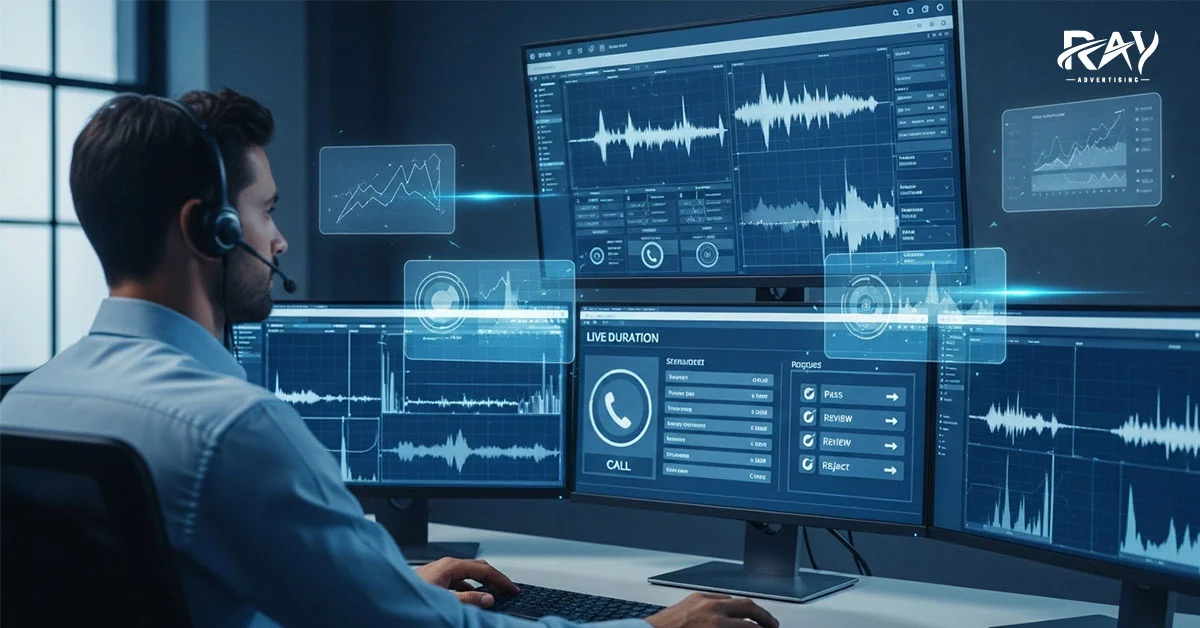
Have you ever paid for a lead call that was a total waste of time?
You pick up the phone expecting a sale, but you get a robot or a wrong number instead. Or maybe the caller has no idea why they are even on the line. Does that sound familiar?
If you buy leads, you know this frustration. It drains your budget and wastes your team's day.
Most companies only care about volume. They want to send as many calls as possible, even if the quality is poor. They focus on the number of calls, not the value of the conversation.
We do things differently.
We do not just record and send calls. Every conversation goes through a strict review process. We use smart technology to filter out the junk. Then, real people listen to the audio to verify the quality.
In this guide, we will show you the eight steps we take to protect your business. So you receive only real opportunities, not noise.
What “Before Delivery” Really Means?
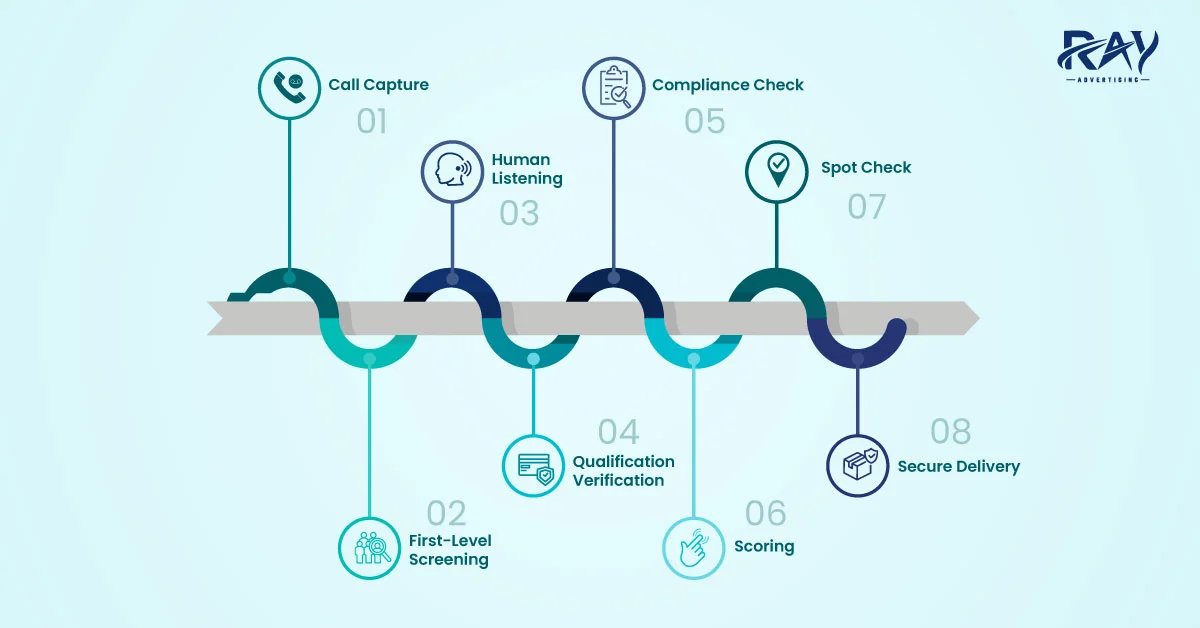
“Before delivery” means a call is not sent to you right after it ends. First, we check it.
This is the time between when we receive a call and when we send it to you. During this time, we make sure the call is real, clear, and useful for your team.
Every call must pass several checks before it is ready to deliver. That is how we protect your time and money.
Most companies do not explain this step. We believe you should know what happens behind the scenes.
Step 1: Call Capture and Technical Check
Before a human even listens, our system checks the basics. We observe technical data to find obvious problems. This saves time and keeps bad calls away from your team.
We check for:
- Complete recording. We make sure the audio starts and ends properly.
- Call length. Very short calls usually mean no real conversation happened.
- Silent or dropped calls. These calls happen when connection problems interrupt the talk.
- Duplicate calls. This stops you from paying for the same caller twice.
- Valid source tracking. This helps confirm the call is real and not suspicious.
If a call fails any of these tests, it stops right here. It never moves forward to the next step.
Step 2: First-Level Screening
This is a quick but important quality filter. We use it to catch bad calls that may pass the technical check. We want to make sure the caller is a real person who actually needs help.
We look for three things:
- Real intent. The caller should clearly want help solving a problem.
- Good start. The conversation should begin normally, not like a wrong number, a robot, or a prank.
- Fraud signals. We watch for suspicious behavior that may mean fake callers.
This step helps us remove low-value calls early. We make sure your team spends time only on real opportunities.
Step 3: Human Listening Review
This is where our team gets to work. A real person listens to the whole call from start to finish. Computers are fast, but they can’t hear everything.
Our reviewers look for:
- Mood of the caller. Do they sound serious about buying?
- Clear answers. Did the caller answer the main questions correctly?
- Fake voices. Signs of bots or people reading from a script.
- Good conversation. The talk should make sense and stay useful.
Software is good at finding data, but humans are better at finding meaning. This step uses real human judgment to catch things a machine can miss. It is how we make sure the call is worth your time and money.
Step 4: Qualification Verification
Now we check if the call matches your business rules. Every business is different. The goal is to make sure the caller is a good match for what you offer.
We verify these things:
- Your rules. The caller must meet the criteria you set.
- Right profile. The caller should be in the right area or target group.
- Honest information. The details the caller shared must be true.
- Genuine interest. The caller should really want your service.
If the caller does not match your needs, we reject the call. This helps protect your money. It also makes sure you talk with people who can become real customers.
Step 5: Compliance and Brand Protection
Next, we review how the conversation was handled. This step protects your brand and reduces risk. We want to make sure the conversation stayed safe and professional.
We check for these things:
- Required disclosures were made. The caller was told what they needed to know by law.
- No misleading claims. Nothing false or confusing was said during the talk.
- Proper script usage. The person on the phone followed the correct plan.
- Respectful and professional conduct. The conversation stayed polite and helpful.
This step helps keep your business and reputation safe. It makes sure every person who calls has a good experience with your brand.
Step 6: Scoring and Final Decision
After all checks are complete, every call gets a final grade. We do not leave this to chance.
There are four clear paths for a call:
- Approved. The call passed every test and is ready for you.
- Escalated. Something felt slightly off, so a manager reviews it.
- Sent for correction. An agent needs to fix a mistake before we can send the call.
- Rejected. The call did not meet our quality standards and was not delivered.
A call leaves our system only when it has a "Pass" grade. We only approve a call after it makes it through every single layer of our review. This means you never have to guess about call quality.
Step 7: Secondary Spot Check
Even after a call is approved, we check again. We select a small group of calls for a second review. This helps us make sure our team is doing a great job every single day.
This second check helps us with these goals:
- Being consistent. We want to ensure that every reviewer is grading calls the same way.
- No favoritism. It ensures our team stays fair and follows the rules for every call.
- Sharp standards. It helps our staff stay focused and alert so they do not miss small details.
This extra stephelps keep our whole system fair and accurate. It is one more way we make sure the calls you get are high-quality.
Step 8: Final Approval and Secure Delivery
Once a call is approved, it is ready for the final step. It stays in our "waiting room" until this moment. This is when the call is cleared to leave our system and reach yours.
At this stage, three things happen:
- Final timestamp. We mark exactly when the call was cleared so your records stay accurate.
- Marked as ready. The system tags the call as "delivery-ready" so there are no mistakes.
- Secure delivery. We send the call and all its data to you safely and quickly.
Only after these final checks does the call leave our system. This ensures you receive fresh, safe, and fully verified leads.
What Happens to Rejected Calls?
We never send rejected calls to our buyers. If a call is low quality, it stays with us. We do not try to hide low-quality calls just to increase numbers. Instead, we use them to improve our system.
Here is what we do with them:
- Track patterns. We look for trends to see why bad calls are happening.
- Use them for training. We show these calls to our team so they can learn what to watch for next time.
- Block them from your pipeline. These calls are filtered out so they never reach your sales team.
Our goal is to remove low-quality calls rather than chase volume. This keeps your pipeline clean and helps you avoid wasting time on dead ends.
Why This Process Matters for You
Every call you receive has already passed a strict review. We do the hard work so your team can focus on what they do best. When we handle call quality, your business runs more smoothly.
Using this system gives you four big wins:
Higher quality. You get real people who truly want to talk. This helps you stop wasting time on junk calls.
Fewer arguments. Since every call is checked first, there are fewer disputes about lead quality.
A safer brand. Your reputation stays protected. Conversations remain professional and adhere to the rules.
Results you can trust. Your growth becomes easier to predict. You can expect to receive good calls regularly.
We do more than send calls. We send real opportunities. By the time you answer the phone, the hard work of filtering is already done
Recent Post
How Internal Dashboards Improve Lead Predictabilit...
May 18, 2026
From Network to Direct Supply: How We Control the ...
May 12, 2026
Why API Lead Delivery Outperforms CSV Faster, Clea...
May 4, 2026

Multi-Step QA Explained: How We Stop Bad Leads Bef...
April 25, 2026
Duplicate Removal: Why Every Lead Counts Once...
April 23, 2026
What Is a High-Intent Lead Definition, Signals & S...
April 13, 2026
The Hidden Cost of Non-Compliant Leads (And Why Ch...
April 20, 2026
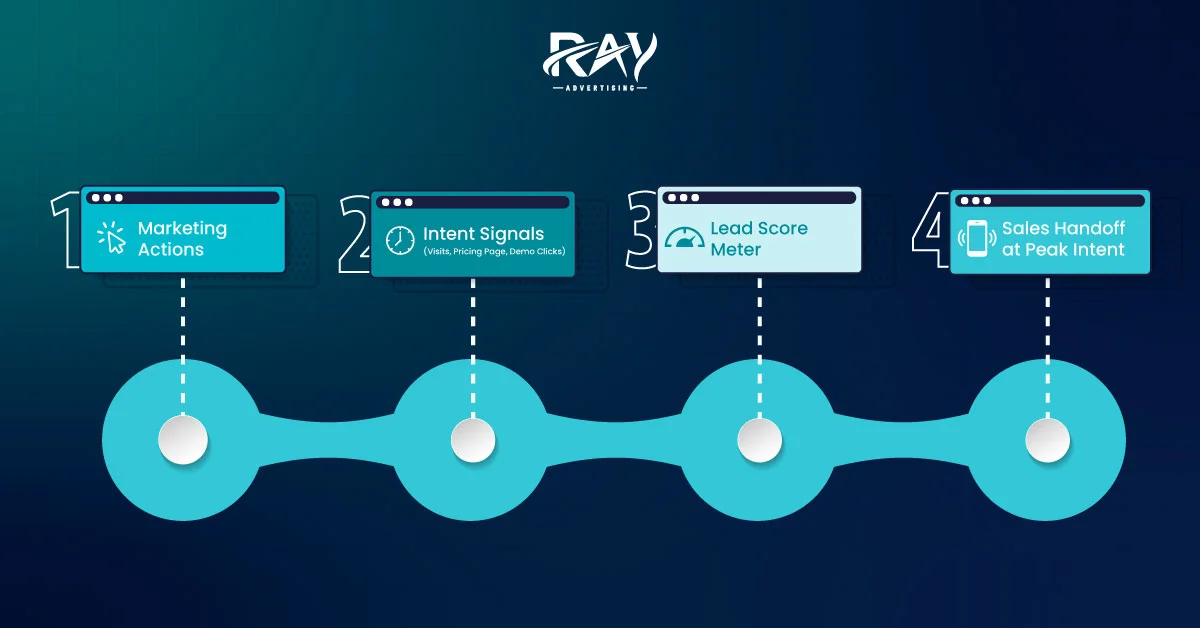
How We Maintain Lead Intent from First Click to Sa...
April 9, 2026
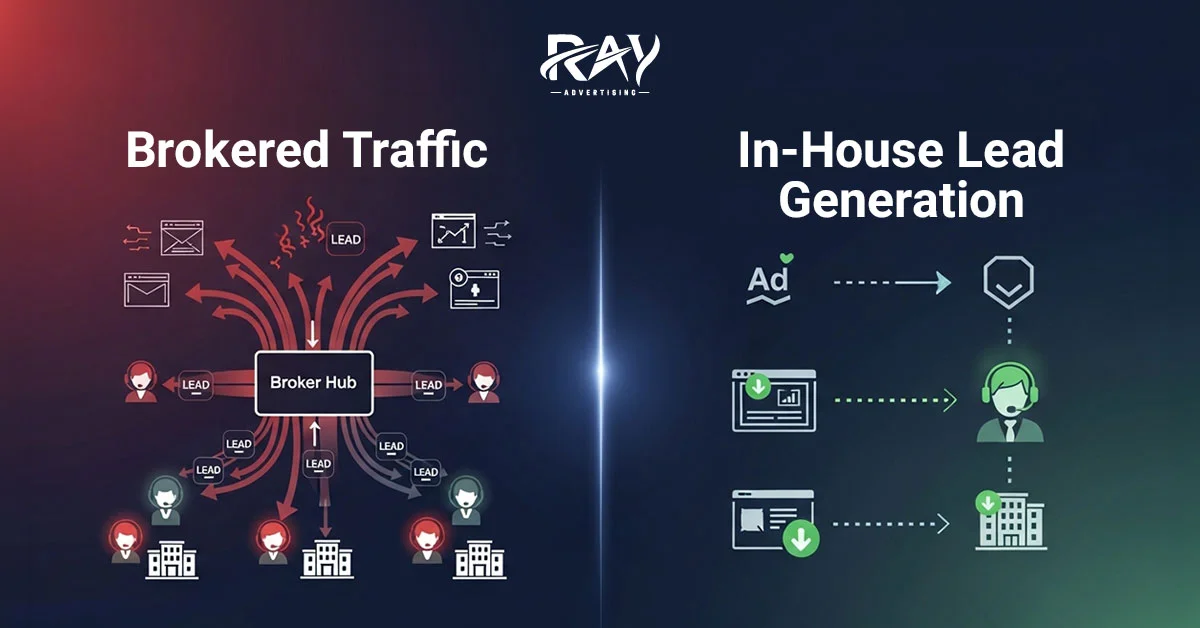
In-House Lead Generation vs Brokered Traffic...
April 1, 2026
Related resources
Explore the most relevant pages based on this article.
- Contact Ray Advertising — Ask about pricing, compliance, and launch timelines.
- Lead Generation — High-intent leads with delivery and quality controls.
- Pay Per Call — Qualified inbound calls with tracking and routing.
- Media Buying — Performance media with optimization and attribution.
- Affiliate Network — Vetted publishers and fraud protection.

FAQs
Quick answers related to this article.
We support lead generation, pay per call marketing, media buying, and affiliate network programs.
We use source attribution, quality metrics, and conversion reporting to optimize and scale profitable traffic.
Contact our team or sign up as an advertiser or publisher to begin onboarding.

