


The Role of QA in Buyer Approval Rates
By Ray Advertising · Published March 28, 2026
Imagine you spend all day generating leads for a buyer. You send them over and wait for your payout. Then the message comes in. Half of the leads are rejected.
Some phone numbers are wrong. Some data looks fake. A few leads never asked for the offer.
This is what a low buyer approval rate looks like. And it costs you money. You lose revenue. You lose trust. If it keeps happening, you risk losing the buyer.
This is where Quality Assurance (QA) makes a real difference.
QA is not just a technical step at the end of the process. It protects your revenue. A strong QA process filters bad data, removes duplicates, checks compliance, and reviews calls before the buyer sees anything.
When the leads are clean, approval rates rise. Buyers stay confident, campaigns scale.
In this article, we'll show the role of QA in buyer approval rates and show how it helps turn more rejections into approvals.
What Is QA in Lead Generation?
QA in lead generation means checking leads before they go to a buyer. The goal is simple. Send good leads. Remove bad ones.
Think of QA like a safety net. It catches mistakes before they reach the buyer. If data is wrong, QA helps find it. If leads look fake, QA removes them.
There are two main types of QA in lead generation.
- Automated QA uses software to check data. It can verify phone numbers, remove duplicate leads, and block obvious bots. Automated QA is fast, but it can miss small details.
- Human QA means real people review leads. They can listen to calls, check intent, and spot suspicious patterns. Human QA is slower, but more accurate in a real business.
Most good lead generation systems use both. Automation catches big problems. Humans catch the small, tricky ones.
Why Leads Get Rejected by Buyers
Buyers reject leads when the leads do not feel useful or real. Here are the main reasons:
✔ Wrong contact details: Some leads have wrong phone numbers or emails. Buyers cannot reach these leads, so they reject them.
✔ Duplicate leads: Sometimes the same lead is sent more than once. Buyers do not want to pay for the same lead twice.
✔ Fake or bot submissions: Some leads are not real people. Bots can fill forms. Buyers reject these quickly.
✔ Low buyer intent: Some people just browse. They are not ready to buy or talk to sales. Buyers want leads who show real interest.
✔ Compliance issues: Some leads do not follow rules or legal requirements. This can create risk for buyers.
✔ Poor call quality: If calls are noisy, unclear, or unprofessional, buyers lose trust. They may reject the lead.
Each rejection hurts your reputation. When you know why it happens, you can start to fix it.
How QA Improves Buyer Approval Rates?
When you use QA, it works like a security guard for your data. It catches bad leads before they reach the buyer. This helps you send only quality work.
Here is how QA helps you get more approvals from buyers:
Checking data before sending
QA software checks phone numbers, emails, and names. It looks for typos, fake names, or wrong details. When data is correct, buyers can actually reach the lead.
Human QA for lead verification
Sometimes, software is not enough. Real QA reviewers check if the lead looks real. They can spot bot activity or suspicious answers.
Reviewing call quality
If you sell call leads, QA listens to recordings. They check sound clarity, professionalism, and real interest from the lead. This helps keep buyers confident.
Filtering low-intent leads
Some people fill out forms by accident. QA removes these low-quality leads. Buyers want people who are genuinely interested in buying.
QA also checks legal and permission rules before sending leads. This protects buyers from risk.
The result is simple. Better QA means cleaner leads. Cleaner leads mean higher approval rates and happier buyers.
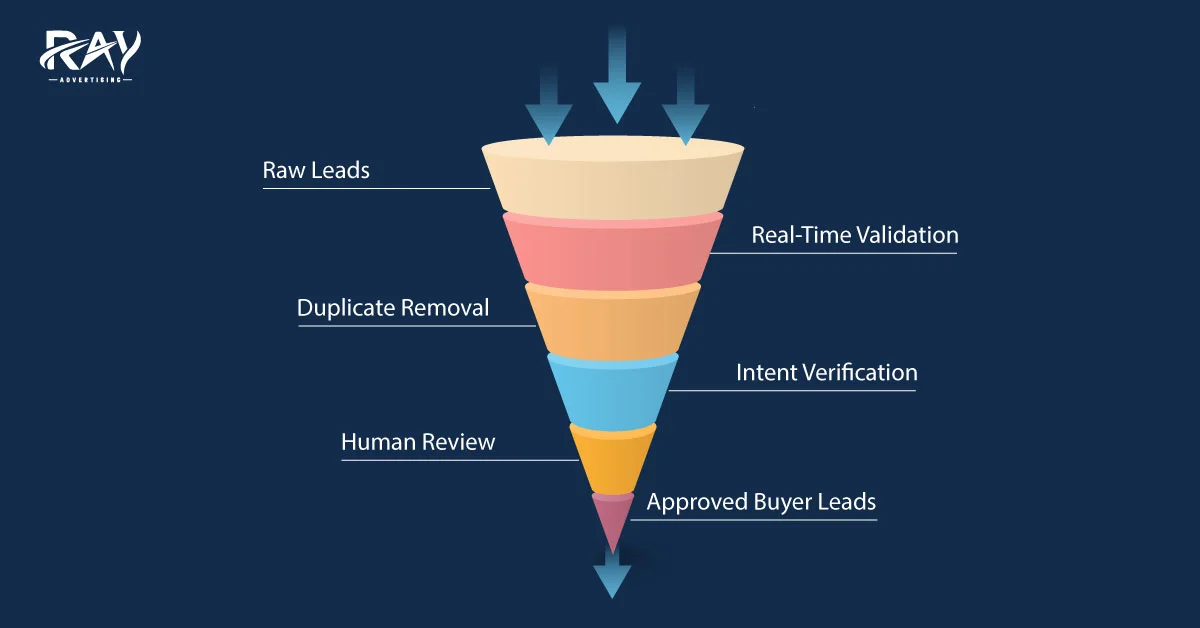
The Lead Quality Assurance Process (Step by Step)
Setting up a QA process is not complicated. You just need a simple system to check data, review quality, and remove bad leads before sending them to buyers.
Here is a step-by-step guide to doing it right.
Step 1: Real-time validation
Check the lead as soon as it comes in. Use software to verify phone numbers, emails, and names. If data looks fake, flag it or stop it early.
Step 2: Duplicate detection
Check if the same person appears twice. Remove duplicate leads. Buyers do not want to pay for the same lead again, and duplicates also hurt data accuracy.
Step 3: Intent verification
Make sure the person really wants the offer. This can be checked using form questions or call responses. Remove low-intent leads before sending them to buyers.
Step 4: Human review layer
Have a real person review leads. Humans can check conversation quality, compliance, and small details that software may miss.
Step 5: Buyer feedback loop
Talk to buyers. Ask why they rejected leads. Use this feedback to improve filters and reduce future rejection rates.
The Role of Human QA in Buyer Approval
Software is good at finding big mistakes, but it cannot think like a human. That is why human QA for lead verification is important.
Automation helps with speed. But people help with judgment.
Why automation is not enough
A computer can check if a phone number has the right number of digits. But it cannot tell if the person is confused, pressured, or not really interested. Robots follow rules. Humans understand context.
How humans catch context issues
Sometimes a lead looks perfect on paper but is not good in real life. A human reviewer may notice repeated addresses, strange answers, or unclear comments. These are warning signs software can miss.
How call listening improves approval
If you sell call leads, listening to calls is important. Humans can check tone, professionalism, and real interest. This helps protect buyers from bad experiences.
When to use humans vs automated filters
- Use automation to check data fast.
- Use human QA to review calls, high-value leads, and intent signals.
Strong QA means better leads. Better leads usually mean higher approval rates and stronger buyer trust.
The Link Between Call Quality Assurance and Lead Sales
In performance marketing, the call is your product. If the call sounds messy or unprofessional, buyers simply will not pay. That is why call quality matters so much in lead sales.
Buyers usually listen for a few things when they review leads.
Script compliance is one of the first checks. If an agent skips important parts of the script or says the wrong thing, the buyer may lose interest quickly. This is why QA teams listen to calls to make sure agents follow the rules.
Clear disclosure is also very important. The person on the phone should know who they are talking to and why they are being called. If this part is unclear, the lead can feel confused or tricked. Confused leads often complain, and buyers want to avoid complaints because they can create business and legal risks.
Qualification questions also play a big role. If your buyer only wants homeowners, your agent must confirm that early in the call. If they do not ask, the buyer may feel like time is being wasted on low-quality leads.
Recording audits helps keep everything running smoothly. This means listening back to calls and finding small mistakes. Then teams can help agents improve before those mistakes reach the buyer.
When calls are clean and professional, the buyer's sales team can focus on real customers who want to buy. This usually leads to higher approval rates, stronger buyer trust, and longer-lasting business relationships.
Measuring the Impact: QA and Approval Rate Metrics
If you don't track your numbers, you won't know if your QA is working. Think of these metrics as a scoreboard for your business.
Approval Rate Percentage
This is your main score. If you send 100 leads and the buyer accepts 90, you are at 90%. If this number drops, your QA filter has a weak point that needs to be fixed.
Rejection Reason Tracking
Don't just look at the "no." Look at why they said no. If you see "bad phone number" ten times in a row, you know exactly what to fix in your software.
Cost Per Approved Lead
Cheap leads are not always good leads. If you buy 1,000 cheap leads but only 10 get approved, you lose money. It is better to pay for QA to make sure more leads convert to cash.
Refund or Clawback Rates
A clawback is when a buyer requests a refund for a lead that later appears low quality or invalid. If this happens often, your QA process is missing a big problem.
When you watch these numbers every week, QA stops being a chore. It becomes a growth tool, not just a checking process.
How to Reduce Lead Rejection Rate with QA
You can reduce lead rejection by stopping bad leads before they reach the buyer. Good QA helps protect approval rates and improve lead quality.
- Tighten automated filters to block fake data, wrong phone numbers, and bot submissions.
- Use human QA to review high-value leads and check for small but important quality risks.
- Review buyer rejection feedback weekly to identify patterns and fix recurring problems.
- Improve qualification questions on forms and calls to ensure leads really want the offer.
- Test QA rules regularly to see which filters improve approval rates.
Better QA means fewer rejected leads, higher approval rates, and stronger buyer trust.
Common Mistakes Companies Make with QA
Many companies lose money because they make the same simple errors. Avoiding these mistakes will give you a big advantage over your competitors.
- Relying only on computers to check your leads.
- Ignoring the feedback that buyers send you.
- Not keeping a list of why leads were rejected.
- Focusing on sending a lot of leads instead of sending good ones.
When you only use a computer, you miss things that a human would catch. Computers are fast, but smart bots can sometimes bypass simple checks. If you don't listen to your buyer, they will look for someone else to buy from.
Tracking your rejections is like having a map. It shows you exactly where your business is losing money. If you focus on quality first, your volume will naturally grow because buyers will trust you with more of their budget.
Turn QA Into a Profit Tool
QA is not just about checking work. It is about protecting your business, money, and buyer trust.
Good QA helps you send cleaner leads. Cleaner leads usually get higher approval rates. Higher approval rates mean better revenue and stronger long-term relationships with buyers.
If you want to grow in performance marketing, focus on quality first. Volume will follow when buyers trust your leads and your process
Recent Post
How Internal Dashboards Improve Lead Predictabilit...
May 18, 2026
From Network to Direct Supply: How We Control the ...
May 12, 2026
Why API Lead Delivery Outperforms CSV Faster, Clea...
May 4, 2026

Multi-Step QA Explained: How We Stop Bad Leads Bef...
April 25, 2026
Duplicate Removal: Why Every Lead Counts Once...
April 23, 2026
What Is a High-Intent Lead Definition, Signals & S...
April 13, 2026
The Hidden Cost of Non-Compliant Leads (And Why Ch...
April 20, 2026
How We Maintain Lead Intent from First Click to Sa...
April 9, 2026
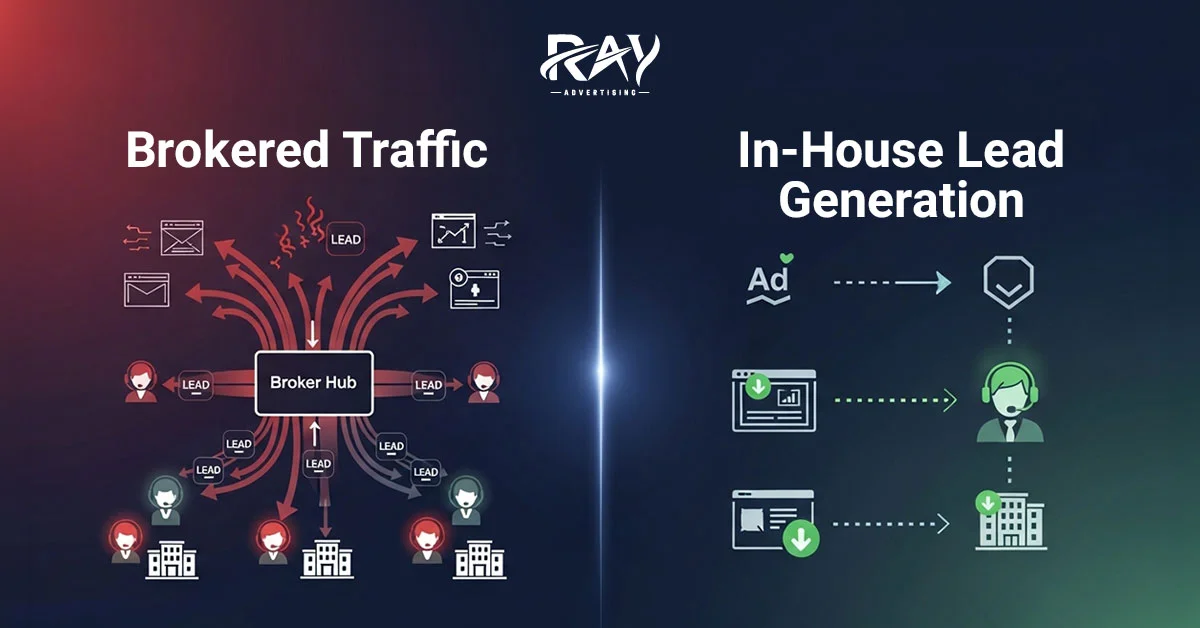
In-House Lead Generation vs Brokered Traffic...
April 1, 2026
Related resources
Explore the most relevant pages based on this article.
- Contact Ray Advertising — Ask about pricing, compliance, and launch timelines.
- Lead Generation — Lead scoring, duplicate removal, compliance screening, and delivery.
- Advertiser Solutions — Brand-safe performance marketing for measurable ROI.
- Pay Per Call — Qualified inbound calls with validation and tracking.
- Media Buying — Intent-driven traffic with tracking and controls.

FAQs
Quick answers related to this article.
A qualified lead meets your targeting rules (geo, intent, required fields) and passes duplicate and compliance filters.
We run suppression and matching checks in real time and can enforce recency windows and field-level matching rules.
Campaigns use approved creatives, consent-aware flows, and monitoring to flag and pause non-compliant sources.

