


Multi-Layer In-House Call Validation Process
By Ray Advertising · Published February 28, 2026
Every business wants more calls. But not every call is valuable.
Bad calls waste ad budget and sales team time. When poor-quality leads keep appearing, buyer trust drops.
This is why advanced lead companies do not rely on simple call checks. They use a Multi-Layer In-House Call Validation Process.
Instead of one review step, each call moves through a structured internal system. Only high-quality calls reach the buyer.
In the sections below, you will see how this internal validation architecture works. You will also see why top lead operations depend on it.
What Is a Multi-Layer In-House Call Validation Process?
A Multi-Layer In-House Call Validation Process is a system. It checks calls step by step before buyer approval. It helps ensure that only real and high-quality calls reach buyers.
Single-layer validation often fails. One check cannot catch all bad signals. Premium lead systems use multiple layers of checks. This helps improve accuracy and builds trust.
Why In-House Validation Creates Higher Control?
In-house validation gives more control. The company manages everything inside its own system. There is no waiting period for outside teams to check calls. This makes the process faster and more flexible.
Companies can change validation rules anytime. If buyers want stricter quality rules, the team can update checks quickly. This helps keep lead quality high.
In-house teams also protect data better. Call details stay within the company’s own system. This reduces risk and keeps business information safe.
This control helps improve lead quality. It also helps improve approval rates and buyer trust over time.
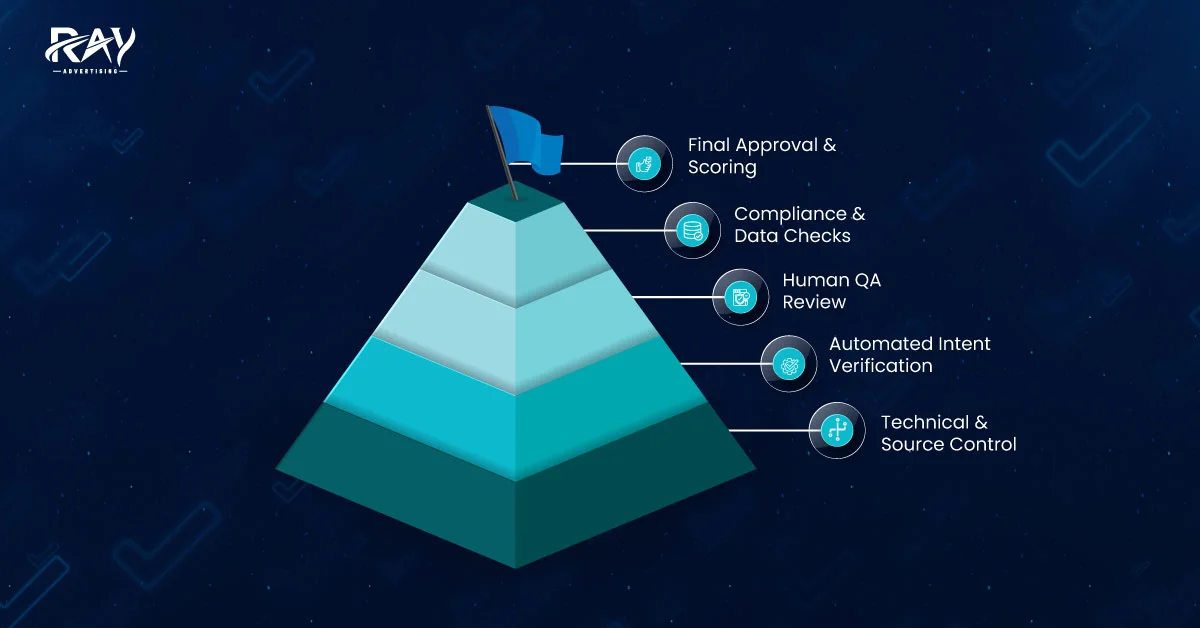
The 5-Layer In-House Call Validation Architecture
This is the main control structure of the process. Every call passes through several quality checks before buyer approval.
Each layer removes different risks. Only real and high-quality calls move forward.
Layer 1: Source & Technical Quality Control
This layer makes sure calls come from trusted sources before deeper checks begin. It helps keep spam and low-quality traffic out of the system.
- Source verification checks where the call came from.
- Duplicate protection blocks calls from the same number if they repeat too much.
- Tracking accuracy makes sure calls go to the right place.
- Time validation checks if calls come during working hours.
Layer 2: Automated Intent Verification
This layer uses smart system rules to see if the caller really wants the service. It helps find real customers quickly.
- IVR qualification asks simple questions to check if the caller is interested.
- Behavior signals track how callers use the menu options.
- Risk detection looks for fraud signals in phone data.
- Engagement rules filter very short or inactive calls.
Layer 3: Human QA Review
People review calls to understand context, emotion, and real intent. This adds judgment that automation cannot fully replace.
- QA listening means teams listen to real calls.
- Intent strength checks if the caller really wants to buy.
- Tone and emotion review checks if the caller sounds serious.
- Pattern detection looks for strange or fake behavior.
Layer 4: Compliance & Data Integrity Control
This layer protects buyers. It keeps leads safe and reliable. It also makes sure calls follow business and legal rules. This helps maintain consistent quality before leads are sent to buyers.
- Identity verification checks if the customer's details are correct.
- Script compliance checks if agents use the right script.
- Legal safety checks ensure calls follow rules and laws.
- Buyer rule matching checks if calls meet buyer needs.
Layer 5: Final Approval & Lead Intelligence Grading
This is the last checkpoint before leads are delivered to buyers.
- Quality scoring gives each call a score based on call quality.
- Lead classification sorts calls into Gold, Silver, or Bronze.
- Manager approval is the last check before sending leads.
- Audit records save the approval history to help track calls.
How Calls Move Through the Full Validation Process
Businesses want more calls, but not all calls are valuable. Some callers are real customers, while others may be spam or have weak buying intent. Sending poor-quality calls to buyers can waste time and lower trust.
A structured validation process helps solve this. Each call moves through several steps. Each step checks a different quality signal. Only strong, real leads move forward to buyers.
Here is how calls move through the system step by step.
Step 1: The call enters the system. The tracking system records call details.
Step 2: Technical screening checks the call source and whether the number is valid.
Step 3: Automated filtering checks early intent signals and removes low-quality calls.
Step 4: Human QA teams review the call. They listen to the conversation and check the quality.
Step 5: Compliance checks make sure the call follows business and legal rules.
Step 6: Final approval is given after quality review.
Step 7: The approved lead is delivered to the buyer.
This process helps keep lead quality high, reliable, and consistent over time.
Built-In QA Scoring Framework
This framework measures call quality using a structured scoring system. Decisions are based on data, not guesswork.
Weighted Scoring
Each validation layer has a different weight. Some signals are more important than others. Real buying intent carries more points than simple technical checks.
Pass Threshold Logic
Every call must reach a minimum quality score to move forward. Calls that do not meet the threshold are automatically rejected.
Human Quality Control
QA reviewers can step in when needed. If they hear something suspicious, they can change the decision.
Audit Intelligence
The QA team selects random approved calls. They check them again to confirm scoring accuracy and system reliability.
This architecture helps ensure predictable lead quality and reliable buyer delivery.
Internal Audit & Continuous Improvement Loop
This part helps maintain the system quality over time. Good quality does not happen by chance. It needs regular review and updates. This loop keeps the system accurate. It adapts as traffic patterns change. It also adjusts to new buyer needs and market behavior.
Random Re-checks: The QA team selects a subset of approved calls. They review them again to ensure quality standards stay consistent.
Error Trend Tracking: The team tracks common quality issues. They look for patterns. They use those patterns to improve performance.
QA Team Calibration: The company trains QA reviewers. Leaders align them on the same review standards. This keeps quality decisions consistent.
Rule Updates: The team updates quality rules when buyer requirements change. They also update rules when new quality patterns appear.
Why Multi-Layer Validation Improves Buyer Approval
Multi-layer validation helps send better leads to buyers. Each layer removes weak calls before they are sent. This keeps the quality higher and more reliable.
It also helps reduce rejected leads. Buyers receive stronger and more real opportunities. Approval results stay more consistent.
Buyer trust also improves. When buyers get high-quality leads, they are more likely to stay and work longer.
Reporting also becomes clearer. It is easier to track performance and see how leads are doing over time.
Common Technical Weak Points in Basic Call Validation Systems
Some call validation systems are built with limited technical control. These gaps can allow low-quality calls to pass through.
Weak Technical Gatekeeping
Call sources are not always verified. This can allow spam or duplicate calls into the system.
Heavy Reliance on Automation
Some systems depend only on software checks. Machines can miss tone, intent, and conversation context.
No Buyer-Specific Rules
Many systems use one quality standard for all buyers. But different buyers often want different quality signals.
No Final Quality Review
Some systems send leads without a last manual quality check. This can reduce delivery accuracy.
These gaps can affect lead quality and buyer confidence over time.
Why This Process Matters for Your Business
Not all calls bring value. Some help grow sales. Some waste time and money. A strong validation system helps separate good calls from weak ones.
A Multi-Layer In-House Call Validation Process helps protect ad spend. It keeps sales teams focused on real buyers. It also helps buyers receive better quality leads they can trust.
Each call goes through technical checks and intent screening. It also passes human review, compliance checks, and final approval. This makes quality more reliable.
This process is not just about filtering bad calls. It is about building stronger buyer trust, better approval rates, and more consistent lead performance over time
Recent Post
How to Scale Lead Generation Without Losing Qualit...
August 17, 2026
Improve Lead Generation Quality Without Losing Vol...
August 16, 2026
Reduce Cost Per Acquisition: 12 Tactics That Work...
August 14, 2026
Reduce Cost Per Acquisition: 12 Tactics That Work...
August 13, 2026
Car Insurance Leads for Agents: Best Sources and S...
August 12, 2026
What Are SR22 Insurance Leads and Why Are They So ...
August 11, 2026
Auto Insurance Pay Per Call: How It Works and Why ...
August 10, 2026
How to Buy Auto Insurance Leads That Actually Conv...
August 9, 2026
High Risk Auto Insurance Leads: How to Target and ...
August 8, 2026
Related resources
Explore the most relevant pages based on this article.
- Contact Ray Advertising — Ask about pricing, compliance, and launch timelines.
- Lead Generation — Lead scoring, duplicate removal, compliance screening, and delivery.
- Advertiser Solutions — Brand-safe performance marketing for measurable ROI.
- Pay Per Call — Qualified inbound calls with validation and tracking.
- Media Buying — Intent-driven traffic with tracking and controls.

FAQs
Quick answers related to this article.
A qualified lead meets your targeting rules (geo, intent, required fields) and passes duplicate and compliance filters.
We run suppression and matching checks in real time and can enforce recency windows and field-level matching rules.
Campaigns use approved creatives, consent-aware flows, and monitoring to flag and pause non-compliant sources.

