


Why You Should Consider Using Native Ads in Your Affiliate Marketing Campaigns
By Ray Advertising · Published February 7, 2026
Paid traffic is no longer as predictable as it once was. Clicks cost more, and capturing user attention is hard. Many users now ignore banner ads. At the same time, affiliates need traffic that actually converts, not just impressions. It’s crucial to keep campaigns profitable.
Native ads solve this problem. Approximately 80% of publishers report that native ads outperform standard display ads. They appear as regular content, so users notice and click on them easily. Many consumers prefer discovering products through content that fits their context rather than obvious advertisements.
In this article, you’ll learn why native ads work, how to use them in affiliate campaigns, and when they make sense for your strategy.
Why Native Ads Are Gaining Momentum in Affiliate Marketing?
Native ads are growing in popularity among affiliates. Unlike banners and pop-ups, they naturally fit into the content. So users notice them without feeling interrupted. Studies show native ads get higher views and engagement than traditional display ads.
Affiliates are adopting native ads because they work well for products or services that need context. Rising costs on search and social platforms also make native ads a cost-effective option. They reach quality traffic efficiently, helping campaigns stay profitable.
What Native Advertising Is and How It Works for Affiliates?
Native advertising is an ad that blends into the page it appears on. It can show up in articles, news feeds, or blog posts. Users notice it naturally, without feeling interrupted.
For affiliates, native ads drive traffic to offers that earn commissions. An affiliate link tracks clicks and actions, like purchases or sign-ups. For example, a fitness affiliate might run a native ad titled, “Top 5 Home Workout Tools Users Love.” Clicking it opens an article with product links, and the affiliate earns if someone makes a purchase.
Native traffic comes from sites where users already spend time. About 70% of users prefer learning about products through content rather than traditional ads. Because the ad fits the content, people are more likely to read and engage. Testing headlines and images can improve results over time.
The Real Benefits of Native Ads for Affiliate Marketers
Native ads give affiliate marketers several clear advantages. Each benefit below is simple to understand and useful in real campaigns.
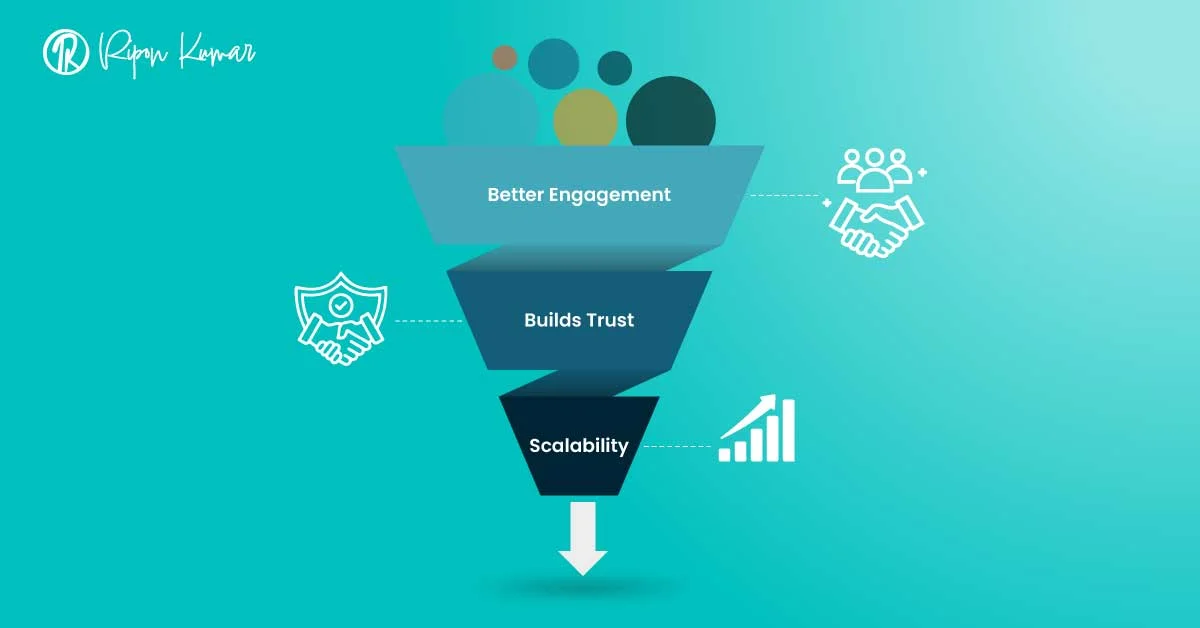
1. Better engagement
Because they blend with the page, native ads capture attention without feeling intrusive. This helps Higher affiliates reach users who are more likely to explore the offer.
2. Builds trust
Users respond better to ads that feel helpful rather than pushy. For example, a travel affiliate ad titled “Top Tips for Budget Trips” can inform readers while gently promoting products.
3. Scalability
Scalability means you can increase traffic gradually without huge cost jumps. Native ad platforms let affiliates reach large audiences across multiple channels. This gives more room to expand your campaigns.
4. Traffic diversification
Relying on a single traffic channel can be risky. Native ads give affiliates an additional source of visitors beyond search and social platforms. This helps maintain consistent traffic if one channel becomes costly or changes its policies.
These benefits help affiliates grow campaigns steadily, reduce risk, and reach audiences more effectively.
Why Native Ads Often Outperform Traditional Display and Social Ads?
Many users now ignore banners and social ads because of banner blindness. That means people skip ads that look disruptive or out of place.
Native ads do better in real metrics. Studies show native ads can have click‑through rates up to 8.8 times higher than traditional display ads. This means more people take action after seeing them.
Native ads appear near relevant content that users already enjoy. For example, someone reading a recipe article is more likely to click on a native ad about kitchen tools than a random banner. This alignment with user interests helps them perform better than other ad types.
Native ads match what users want to see and fit smoothly into the reading flow. This makes them more effective for affiliate marketing.
How Much Do Native Ads Cost and What Affiliates Should Expect?
Native ads do not cost the same every time. Costs depend on where you run them, who you target, and the competitiveness of your market.
- Cost per click (CPC) is the price you pay for a single click. Native ad CPC often ranges from $0.10 to $2 per click. But costs can vary depending on platform and niche. Content networks like Taboola or Outbrain cost around $0.10–$0.50 per click. On social platforms like Facebook or Instagram, native ad CPC can range from $0.20 to $2 per click.
- Cost per mille (CPM) means you pay for every 1,000 times your ad is shown. Native ad CPM numbers can range from $3 to $8 per 1,000 impressions on open content networks. Better placements usually cost more.
Your costs change based on your audience and goal. Narrow audiences cost more because fewer publishers offer that traffic. Broader audiences often cost less but may not perform as well.
Budgeting tip: Start with a modest test budget to see how your offers perform. Also, learn what costs you will face before scaling up.
Native ads can still deliver strong returns. Studies show they often bring better ROI than banner ads. That’s because users notice them and do not ignore them.
This overview helps you plan costs and set clear expectations before spending on native traffic.
Building an Effective Affiliate Native Ads Strategy
A strong native ads strategy starts with the right setup. Keep it simple. Focus on platforms, targeting, and the path users follow.
Step 1: Choose the right platform
Start with networks built for native ads, like Taboola, Outbrain, or PropellerAds. These platforms show ads inside articles and content feeds. This fits affiliate offers that need explanation.
Step 2: Target with care
Targeting means choosing who sees your ad. Start broad. Use location, device, and basic interests. Narrow it only after you understand what works. Over-targeting can raise costs fast.
Step 3: Use a clear funnel
A funnel is the path a user takes from seeing your ad to completing an action. Start by sending users to helpful content. It includes a short review or comparison page, instead of linking directly to the offer. After they engage with the content, guide them to the affiliate link.
Step 4: Test and adjust
Test headlines and images one at a time. Small changes can improve clicks and sales. Pause what fails. Scale what works.
Follow these steps to build a campaign that attracts the right users and drives more conversions.
Native Advertising Best Practices That Actually Improve Conversions
Good native ads do more than get clicks. They guide users toward action. Here are simple, proven practices you can use.
|
Best Practice |
Explanation |
Example / Tip |
|
Use clear, helpful headlines |
Headlines tell users the ad’s topic. Clear headlines guide readers and reduce confusion. |
Instead of “Click Here Now,” use “7 Easy Tips to Boost Home Workouts.” |
|
Match your creative to the audience |
Creative means the ad text and image. Relevant visuals catch attention and connect with users. |
A fitness ad works best with images of workout gear, not random graphics. |
|
Keep landing pages relevant |
The landing page is where users go after clicking. It should match the ad and answer user questions. |
If your ad promotes protein powder, the page should display products, benefits, and how to purchase. |
|
Follow ad platform rules |
Platforms have rules on content. Following them avoids ad rejection and builds user trust. |
Some platforms restrict health claims or adult content. Always check guidelines. |
|
Test small changes often |
Try different headlines, images, or text. Track what works and improve campaigns. |
Test one element at a time. Keep what boosts clicks and conversions, discard what doesn’t. |
Note: Always check the specific guidelines of each native ad network you use.
Common Native Ad Mistakes Affiliates Should Avoid
Running native ads can be effective, but mistakes can waste money and lower results. Here are the most common errors affiliates should watch out for.
1. Burning your budget too fast
Spending too much too quickly can waste money on ads that don’t work. Start with a small test budget to see what converts. Adjust before scaling.
2. Using bad landing pages
A landing page is where users go after clicking your ad. If it is confusing, slow, or irrelevant, visitors leave without taking action. Ensure your page is clear, fast, and matches the ad.
3. Promoting the wrong offers
Not every offer works with every audience. Pick offers that suit your content and appeal to your audience’s interests. For example, a fitness article should link to fitness-related products, not unrelated items.
4. Ignoring ad compliance rules
Each platform has rules about what content you can show. Breaking these rules can lead to ad rejection or suspension of your account. Check guidelines for health claims, adult content, and other restrictions.
5. Skipping testing
If you don’t test your headlines, images, or content, you won’t know what works. Test each change separately. Keep what increases clicks and sales, and drop what doesn’t.
Avoiding these mistakes helps you save money and improve engagement. It leads to better results from native ads.
Why Native Ads Deserve a Long‑Term Place in Your Affiliate Strategy?
Native ads are not just a short‑term test. Many advertisers now prefer them because they work well with how people use the web. Around 54% of consumers find native ads more engaging than traditional ads. This means users pay attention instead of ignoring them.
People also prefer learning about products through helpful content rather than obvious ads. This preference makes native ads a good match for affiliate offers that need context and explanation.
Affiliate marketers need steady traffic sources that can adapt. Native ads provide an additional way to reach users. They help protect your traffic if other channels get expensive or change their rules.
Looking ahead, more brands and publishers plan to increase native ad budgets. The global native advertising market is projected to reach $216 billion by 2025. It shows strong long-term growth and confidence in the format.
If you test carefully and refine your campaigns, native ads can bring lasting traffic and better results over time.
How Ray Advertising Helps You Win with Native Ads
If you want to put these strategies into action, Ray Advertising can help you get faster results. We connect affiliates with high-performing campaigns across multiple niches. Our tools track clicks, leads, and conversions in real time, so you always know what’s working.
You can reach the right audience, test offers quickly, and scale the campaigns that deliver the best results. With our support, your native ads can drive more traffic, higher engagement, and better revenue.
Sources:
https://worldmetrics.org/native-advertising-statistics/
https://www.nativeadvertisinginstitute.com/blog/how-much-do-native-ads-really-cost
https://wifitalents.com/native-advertising-statistics/
https://zipdo.co/native-advertising-statistics
Recent Post

How to Scale Lead Generation Without Losing Qualit...
August 17, 2026
Improve Lead Generation Quality Without Losing Vol...
August 16, 2026
Reduce Cost Per Acquisition: 12 Tactics That Work...
August 14, 2026
Reduce Cost Per Acquisition: 12 Tactics That Work...
August 13, 2026
Car Insurance Leads for Agents: Best Sources and S...
August 12, 2026
What Are SR22 Insurance Leads and Why Are They So ...
August 11, 2026

Auto Insurance Pay Per Call: How It Works and Why ...
August 10, 2026

How to Buy Auto Insurance Leads That Actually Conv...
August 9, 2026

High Risk Auto Insurance Leads: How to Target and ...
August 8, 2026
Related resources
Explore the most relevant pages based on this article.
- Contact Ray Advertising — Ask about pricing, compliance, and launch timelines.
- Media Buying — Native, search, social, and owned-and-operated traffic for performance.
- Lead Generation — Exclusive vs shared leads, API delivery, and lead scoring.
- Pay Per Call — Scale inbound calls with real-time routing and qualification.
- Advertiser Solutions — Brand-safe growth with reporting and quality controls.

FAQs
Quick answers related to this article.
Common channels include native, search, social, email, display, and retargeting—based on offer and compliance requirements.
Yes. We can support testing and optimization so messaging matches audience intent and improves conversion.
We use source attribution, performance reporting, and quality signals to scale winners and pause underperformers.

