


How to Create High-Converting Landing Pages for Affiliate Marketing
By Ray Advertising · Published February 26, 2026
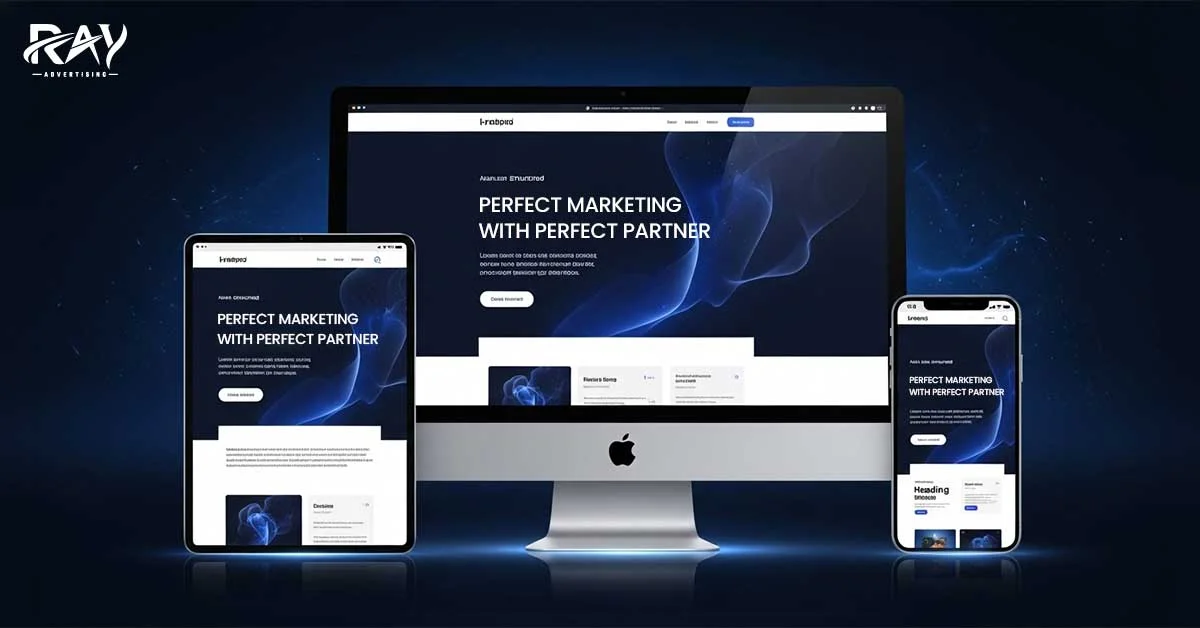
Even if you drive lots of traffic to your affiliate links, most will disappear if your landing page doesn’t convert. That’s the truth many marketers ignore. Clicks don’t pay the bills. Conversions do.
Across thousands of landing pages, the median conversion rate is 6.6%. That means most pages fail to turn visitors into buyers.
A high-converting landing page changes that. With the right headline, copy, and call-to-action, you turn traffic into sales.
In this guide, you’ll learn how to create landing pages for affiliate marketing that convert. You will get clear steps and simple tips you can use right away.
Step 1: Choose the Right Affiliate Offer
Before you even open your landing page builder, you need to pick the right affiliate offer. No design or fancy headline will save a page if the offer itself isn’t appealing. The right product makes conversions much easier because people actually want what you’re promoting.
So, what makes an offer easy to convert? Look for products or services that:
- Solve a specific problem for your audience
- Have proven demand; people are already buying
- Offer good value compared to the price
- Include a clear benefit or result that’s easy to communicate
Here’s a quick checklist to help you pick a high-converting offer:
- Relevance: Does this product match your audience’s needs?
- Track record: Is it selling well already? Check reviews or affiliate stats.
- Value: Will your audience see it as worth their time and money?
- Support & resources: Does the merchant provide banners, images, or guides to help you?
Start with a strong offer. It makes the rest of your landing page much easier to build and convert.
Step 2: Know Your Audience and Their One Main Problem
Even the best offer won’t convert if you don’t know who you’re talking to. The key rule is simple: one person, one problem. Your landing page should speak directly to a specific audience and address their main challenge.
Broad targeting is tempting; you might think, “everyone could use this product.” But that usually kills conversions. When your message tries to appeal to everyone, it resonates with no one. Visitors often feel misunderstood, and as a result, they leave without taking action.
To define your audience simply:
- Identify the main problem your product solves.
- Pinpoint the ideal user who faces that problem. Be specific about age, interests, profession, or lifestyle, as needed.
- Visualize them visiting your page. What are they worried about? What do they hope to gain?
Once you clearly understand your audience, you can craft a landing page that directly speaks to them. Every headline, benefit, and call-to-action becomes far more persuasive.
Step 3: Set One Clear Goal for the Page
Before you start designing or writing, decide what you want your landing page to achieve. One goal is enough: either collect leads or make a sale. Trying to do both at once confuses visitors and lowers conversions.
When a page tries to do too much, visitors get confused. Single-focus pages guide them toward a clear action, making results easier to achieve.
Quick guide to choosing your goal:
- Lead generation: Collect emails or signups before promoting the offer.
- Direct sale: Convince ready visitors to purchase immediately.
- Match your audience: Returning visitors? Go for a sale. First-time visitors? Get their email.
Pick your goal first. A clear target makes everything else on the landing page work better.
Step 4: Write a Headline That Gets Attention
Your headline is the first thing visitors notice. A weak headline pushes people away before they see the rest of your page. A strong headline grabs attention and makes them want to stay.
What makes a strong affiliate headline? It clearly shows the benefit or result your visitor will get. Keep it short, clear, and easy to understand. Avoid confusing or clever wording.
A simple structure that works is:
- Highlight the main benefit: Show what problem your product solves.
- Keep it clear: Use plain language that your audience understands.
- Add curiosity or urgency: Make them want to learn more.
Example:
Instead of “Check Out This Amazing Product,” use “Double Your Email List in 7 Days With This Tool.”
It tells visitors what they will gain and why it matters. A good headline sets the tone and keeps them engaged with the page.
Step 5: Add Clear, Simple Copy That Sells
Your copy should follow a simple flow: Problem → Solution → Result. Start by showing the visitor the problem they face. Then explain how your product helps with it. Finally, show the result they will get.
Keep your language human. Write like you are talking to one person. Use short and simple sentences. Avoid jargon, fancy words, or marketing fluff. The goal is to make the visitor quickly understand why your offer matters.
What to avoid:
- Overloading the page with too much text
- Using complicated words or long sentences
- Writing in a way that feels like a robot or a generic template
Good copy connects with your audience. It makes the page easy to read and guides them naturally toward the action.
Step 6: Design the Page for Conversions
A clean layout is key. Too many elements distract visitors. Keep the page simple so people can focus on the main goal.
Less content often works better because too much text confuses visitors. Highlight only what matters: the benefit, the offer, and the call-to-action.
Design with mobile users in mind. Most visitors will view your page on a mobile device. Make sure text is readable, buttons are easy to tap, and images load quickly.
Tips for a conversion-friendly layout:
- Use plenty of white space around key elements
- Keep headlines and benefits easy to scan
- Place the call-to-action where it’s easy to see
- Limit extra links or distractions that pull visitors away
A page designed this way guides visitors toward your goal. Clean, simple, and mobile-friendly layouts convert better than crowded or complicated ones.
Step 7: Build Trust and Guide Action
Visitors need to trust your page before they take action. Add simple trust signals such as testimonials, reviews, or guarantees. Avoid anything that feels fake or unrealistic.
Your call-to-action should be clear and noticeable. Use strong wording such as “Get Access” or “Start Free.” Place buttons where visitors can see them immediately. Pages with one clear call-to-action convert around 13.5%, because people act faster when the choice is clear.
Use forms only when necessary. Keep them short. Fewer fields make it easier for visitors to sign up.
When trust is clear, the CTA is obvious, and forms are simple, your page guides visitors naturally toward action.
Step 8: Pick Your Landing Page Tool and Connect Your Funnel
Choose a landing page builder that is simple and fast. Beginners should avoid tools that are slow or complicated. The right builder makes creating and editing pages easier.
Popular landing page builders for affiliate marketing:
- Elementor – easy to use and flexible
- GetResponse – great for integrating email funnels
- Unbounce – fast and conversion-focused
- Leadpages – simple drag-and-drop builder
Once your page is ready, connect it to your funnel. You can send visitors straight to the offer, or collect emails first and then promote it. New visitors often respond better to email capture. Returning visitors are usually ready for a direct sale.
A good builder and a clear funnel make your page work smoothly. They guide visitors and improve conversions.
Step 9: Test, Optimize, and Stay Compliant
Testing your page is the best way to improve results. Change one element at a time, like the headline, the copy, or the call-to-action button. This way, you know exactly what works and what doesn’t. Track your results carefully and keep the changes that increase conversions. Don’t guess, let the data guide you.
Even small adjustments can make a big difference. A stronger headline, clearer benefit, or better button placement can boost conversions. Make testing a regular habit.
Check compliance before you go live. Always add your affiliate disclosure and basic privacy information. Visitors trust pages that are honest and transparent. Following the rules protects you from problems.
With testing, small improvements, and clear compliance, your page will convert more visitors into buyers.
Step 10: Learn from Examples
Look at high-converting affiliate pages. Study what works and what doesn’t. Pay attention to how they structure the page, write the copy, and place their call-to-actions. Notice how they highlight benefits, use trust signals, and guide visitors toward the goal.
You can follow the structure and flow as a guide, but always write your own content. Your page should be unique. Take ideas, but never copy text exactly. This way, it feels authentic and fresh to your visitors.
Look for patterns in multiple pages:
- Which headlines grab attention?
- Which call-to-actions stand out?
- How do they handle forms or email capture?
Observing these details provides you with ideas you can use immediately.
Studying examples helps you save time, avoid mistakes, and discover new ideas. The goal isn’t to copy, but to learn. Apply what you observe to make your landing page stronger, more persuasive, and better at converting visitors into buyers.
Turning Visitors Into Buyers
A high-converting landing page can make all the difference in affiliate marketing. Focus on one clear goal, write simple and persuasive copy, and guide visitors with trust signals and a strong CTA button.
Design your page for conversions, test small changes, and follow compliance rules. Study successful examples and learn from them. Every improvement helps more visitors take action.
Follow these steps, and your landing pages will turn traffic into real buyers, not just clicks
Recent Post
How to Scale Lead Generation Without Losing Qualit...
August 17, 2026
Improve Lead Generation Quality Without Losing Vol...
August 16, 2026
Reduce Cost Per Acquisition: 12 Tactics That Work...
August 14, 2026
Reduce Cost Per Acquisition: 12 Tactics That Work...
August 13, 2026
Car Insurance Leads for Agents: Best Sources and S...
August 12, 2026
What Are SR22 Insurance Leads and Why Are They So ...
August 11, 2026
Auto Insurance Pay Per Call: How It Works and Why ...
August 10, 2026
How to Buy Auto Insurance Leads That Actually Conv...
August 9, 2026
High Risk Auto Insurance Leads: How to Target and ...
August 8, 2026
Related resources
Explore the most relevant pages based on this article.
- Contact Ray Advertising — Ask about pricing, compliance, and launch timelines.
- Media Buying — Native, search, social, and owned-and-operated traffic for performance.
- Lead Generation — Exclusive vs shared leads, API delivery, and lead scoring.
- Pay Per Call — Scale inbound calls with real-time routing and qualification.
- Advertiser Solutions — Brand-safe growth with reporting and quality controls.

FAQs
Quick answers related to this article.
Common channels include native, search, social, email, display, and retargeting—based on offer and compliance requirements.
Yes. We can support testing and optimization so messaging matches audience intent and improves conversion.
We use source attribution, performance reporting, and quality signals to scale winners and pause underperformers.

