


How to Earn with Affiliate Marketing Content
By Ray Advertising · Published February 19, 2026
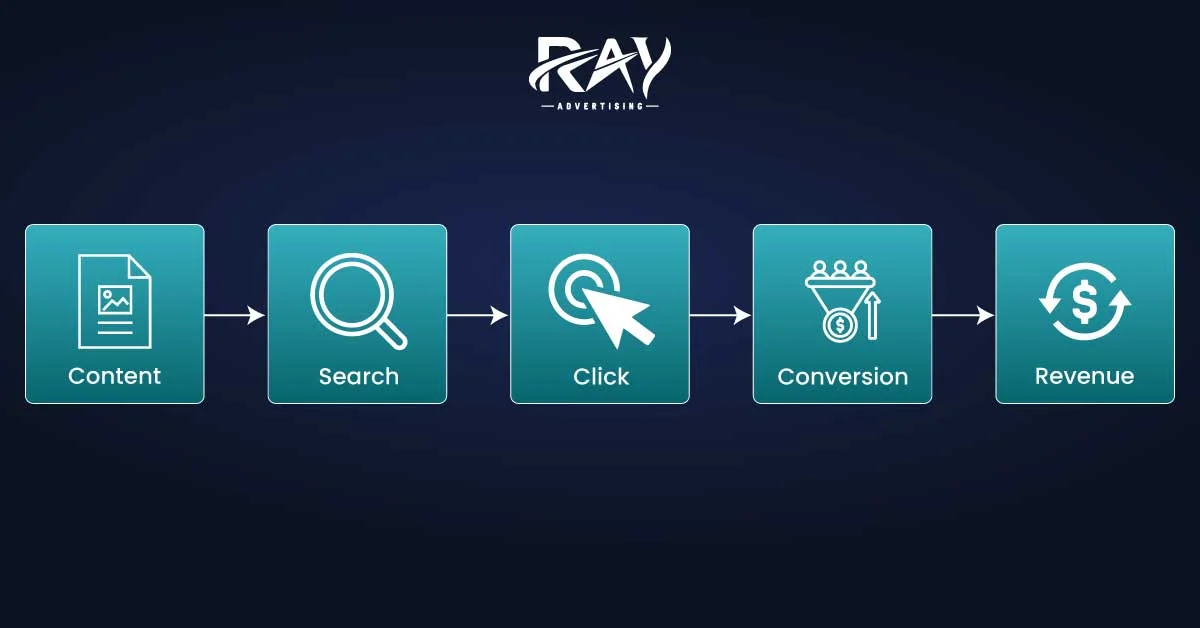
When you search for how to earn with affiliate marketing content, it is usually because you are stuck. You write blog posts or articles, add affiliate links, and still do not see much income. That can feel frustrating, especially when others make it sound easy.
Most of the time, the problem is not traffic or effort. It is the content itself. Affiliate marketing works when the content helps first and connects readers second. After all, 81% of shoppers say they research products online through reviews, blogs, or comparison sites before buying. It shows the influence of helpful content.
If your content doesn’t solve a real problem or give readers what they need, the affiliate links won’t get clicked.
In this guide, I will walk you through how affiliate marketing content actually makes money. You will learn which types of content work best and how to build trust before asking for a click.
Why Content Is Key to Affiliate Earnings?
Content is what drives affiliate earnings. Without helpful content, links alone will not make money. People only click links when they trust the content and feel it solves a real problem.
Many guides focus on tools and tricks first, but that is a mistake. Building trust through useful content comes before promoting products. When readers find value, they are more likely to take action.
Helpful content earns over time. A post that answers questions or explains something useful continues to attract readers. Each click builds trust, and that trust turns into sales. The more your content helps, the more it can earn in the long run.
What Affiliate Marketing Content Really Is
Affiliate marketing content is any content you create that helps people and includes a link to a product or service you earn from. It could be a blog post, video, guide, or even email. The goal is to provide helpful information. At the same time, it shows readers products or services that can solve their problem.
When someone finds your content useful, they may click your link. If they buy the product, you earn a commission. The better your content solves a problem or answers a question, the more likely it is to generate income.
Simply put, affiliate content is about helping first and earning second. It provides value while naturally guiding readers to take action.
Types of Affiliate Content That Actually Convert
Not all affiliate content works the same way. The key is to match the content type to your reader’s needs and stage in the buying journey. Here are the types that convert and the situations where they work best—
1. Blog Posts That Educate and Sell Softly
These are posts that naturally teach something while introducing a product. Use them when your reader is learning or solving a problem.
- How-to guides – Show step-by-step instructions and mention products that make the process easier.
- Tutorials – Explain how to do something with a product. People learn by seeing the product in action.
- Problem-solving posts – Focus on a common issue and show products that can help fix it.
2. Review Content That Feels Honest
Reviews work well when readers are deciding between products. They convert best when you are honest and clear. Product review articles convert at a rate of 2.3 % compared to display ads. It shows why reviews can be so effective.
- Single product reviews – Highlight one product and explain why it works.
- Comparison posts – Compare two or more similar products to help readers pick the best one.
- Pros and cons content – Show advantages and disadvantages to build trust.
3. Content for Buyers Ready to Act
This content targets readers who are ready to make a purchase but are unsure which option is best for them.
- Best-of lists – Rank top products for a specific need. Great for quick decisions.
- Alternatives and comparisons – Suggest different options and when to choose each.
- Use-case posts – Show exactly how a product can be used in real life.
4. Content Most People Ignore but Should Not
Some content types are often overlooked but can drive steady affiliate income.
- Updating old posts – Refresh old content with new affiliate links. It can bring new clicks.
- Adding affiliate sections to traffic posts – Insert helpful product suggestions in existing popular posts.
- Email content tied to blogs – Send valuable blog content with affiliate links to subscribers.
How to Make Money with Affiliate Content Step by Step
Making money with affiliate content is not about writing a lot or adding random links. You earn the most when you follow clear, focused steps. Here’s how to do it.
Step 1: Pick One Topic and One Problem
Focus on one topic your readers care about. Then find a specific problem they need to solve. This makes your content focused and helpful.
Step 2: Choose Products That Fit the Content
Choose products that genuinely help solve the problem your content addresses. Explain how the product works and why it is useful. This way, readers can trust your recommendations and are more likely to take action.
Step 3: Place Links Without Killing Trust
Put links where they make sense. Don’t add too many links in the content. Be honest and explain why the product is useful. Trust comes before clicks.
Step 4: Match Content Type to Buyer Intent
Think about what your reader wants at each stage. Someone learning might need a how-to guide. Someone ready to buy might need a comparison or review. Select the format that goes with the reader’s goal.
How to Create High-Converting Affiliate Content
Creating affiliate content that actually converts requires more than just adding links. It works best when you focus on structure and the psychology behind your readers’ choices.
1. Write for One Reader, Not Everyone
Think about a single person who has the problem you are solving. Imagine what they need to know and what questions they might have. Writing for a specific reader makes your content feel personal and helps build trust.
2. Place Affiliate Links Thoughtfully
Put links where they make sense. They should appear naturally in the content, not interrupt the flow. Explain why the product is useful instead of just dropping the link.
3. Use Examples and Proof
Show real examples, screenshots, or results to make your content believable. Proof helps readers trust your advice and makes them more likely to click the links.
4. Make Calls to Action Natural
Ask readers to take action without being pushy. Phrases like ‘You might find this helpful’ or ‘Here’s one way to solve it’ sound friendly. They encourage readers to click without feeling pushed.
Optimizing Affiliate Content for SEO
SEO helps your affiliate content reach a wider range of readers. You don’t need fancy tools or complicated tricks. Focus on a few simple steps.
SEO helps your affiliate content reach a wider range of readers. You don’t need fancy tools or complicated tricks. In fact, 69% of affiliate marketers use SEO as their main traffic source. It drives organic traffic and shows its importance for long-term earnings. Focus on a few simple steps:
-
Choose Keywords the Easy Way
Pick words and phrases your readers are actually searching for. Consider the words they use when searching for solutions to their problem. Use those phrases in your content naturally.
-
Use the Focus Keyword Naturally
Include your main keyword in the title, headings, and a few times in the text. Don’t overstuff it. Write for readers first, not search engines.
-
Internal Linking for Affiliate Pages
Link to other helpful pages on your site. This helps readers discover more content and keeps them on your site longer. It also tells search engines your site is well-connected.
-
Update Content to Stay Ranked
Check your old posts regularly. Add new information, refresh links, and ensure the content continues to solve readers’ questions. Updated content ranks better over time.
Promoting Your Affiliate Content for Maximum Earnings
Creating great content is only half the battle. To earn more from affiliate marketing, your content must reach the right readers. These are people who are interested in the products you recommend. Smart free and paid strategies attract more targeted readers to your content. This increases clicks and boosts your affiliate earnings.
|
Strategy |
How It Works |
Cost |
Why It Helps |
|
Focus on Audience Channels |
Share content where your readers spend time (social media, forums, groups) |
Free |
Reaches the right people who are most likely to click |
|
Repurpose Content |
Turn one post into a video, social post, infographic, or email snippet |
Mostly Free |
Extends reach and gets more clicks from different formats |
|
Free Promotion |
Share content in communities, social groups, and newsletters |
Free |
Drives traffic without spending money |
|
Paid Promotion |
Use social media ads, search ads, or sponsored posts |
Paid |
Amplifies reach and brings targeted traffic faster |
|
Promote Strategically |
Focus on your best posts and share consistently |
Free |
Boosts earnings from content that already performs well |
Tracking and Improving Affiliate Content Performance
It’s not enough to just see how many people visit your content. The goal is to understand which content actually earns and how to increase its earnings. Focusing on the right metrics helps you improve results based on real data.
Track Metrics That Matter
Look beyond traffic numbers. Track clicks on your affiliate links, conversion rates, and revenue per post. These numbers show which content drives real income.
Spot Content With Earning Potential
Identify posts that get clicks but few sales. These are opportunities. Small changes, such as improved calls to action or clearer product recommendations, can boost earnings.
Simple Ways to Improve Conversions
- Test different placements of affiliate links.
- Add examples, screenshots, or proof to make your advice convincing.
- Update older content with current information and new products that match the topic.
Track the right metrics and improve underperforming content to increase your affiliate earnings.
Monetization Beyond Affiliate Links
Affiliate links are a great way to earn, but they aren’t the only option. You can combine ads, lead magnets, and email strategies to diversify your income. Doing this helps your earnings stay steady and grow over time while keeping your audience engaged.
- Ads and Affiliates – Place display ads carefully so they do not distract readers from your affiliate links.
- Lead Magnets – Offer free guides or checklists that include affiliate recommendations.
- Email Marketing – Send helpful content with affiliate suggestions to build long-term income.
Common Affiliate Content Mistakes That Kill Earnings
Many affiliates struggle not because affiliate marketing does not work, but because small mistakes add up. These issues often block trust, reduce clicks, and stop content from earning over time.
- Writing for Search Engines Only: Some content targets keywords, but forgets real people. If the content feels robotic or unhelpful, readers will not trust the links.
- Promoting Too Many Products: Recommending everything confuses readers. When too many links appear, none of them feel important or trustworthy.
- Hiding Affiliate Intent: Trying to hide affiliate links can backfire. Readers value honesty. Being clear about recommendations builds trust, not fear.
- Giving Up Too Early: Affiliate content takes time to earn. Many posts fail because creators stop updating or promoting them too soon.
Turning Content into Long-Term Affiliate Income
Affiliate income grows when content continues to earn long after it is published. A single helpful post can continue to bring traffic and sales if you treat it like a long-term asset.
Content becomes more valuable when you update it rather than start over. Small improvements help it stay relevant and trusted.
Scaling does not mean publishing more every week. Clear systems for research, updates, and promotion help your best content perform better.
Not every post deserves ongoing effort. Focus on content that shows clicks and sales. Let go of pages that never gain traction.
A Quick Takeaway for You
Affiliate marketing works best when content helps first and earns second. Start with one clear problem, one helpful post, and one honest recommendation. Improve what already works before chasing every new trend. Over time, this approach turns your content into a steady, long-term source of income.
Source Links:
https://affiliatewp.com/affiliate-marketing-statistics/
https://wecantrack.com/insights/affiliate-program-performance-statistics/
Recent Post

How to Scale Lead Generation Without Losing Qualit...
August 17, 2026
Improve Lead Generation Quality Without Losing Vol...
August 16, 2026
Reduce Cost Per Acquisition: 12 Tactics That Work...
August 14, 2026
Reduce Cost Per Acquisition: 12 Tactics That Work...
August 13, 2026
Car Insurance Leads for Agents: Best Sources and S...
August 12, 2026
What Are SR22 Insurance Leads and Why Are They So ...
August 11, 2026

Auto Insurance Pay Per Call: How It Works and Why ...
August 10, 2026

How to Buy Auto Insurance Leads That Actually Conv...
August 9, 2026

High Risk Auto Insurance Leads: How to Target and ...
August 8, 2026
Related resources
Explore the most relevant pages based on this article.
- Contact Ray Advertising — Ask about pricing, compliance, and launch timelines.
- Affiliate Network — How the network works, compliance, and publisher qualification.
- Publisher Program — Apply, get approved, and access vetted offers and tracking.
- Advertiser Solutions — For brands looking to launch performance offers with control.

FAQs
Quick answers related to this article.
Apply with your traffic sources and experience. We review compliance history, quality, and offer fit.
Allowed sources vary by offer and typically include compliant search, social, native, email, and display.
Payouts are set per offer and may be based on qualified leads or calls, with regular payment schedules for approved accounts.

