


What Are SR22 Insurance Leads and Why Are They So Valuable?
By Ray Advertising · Published August 11, 2026
What Are SR22 Insurance Leads and Why Are They So Valuable?
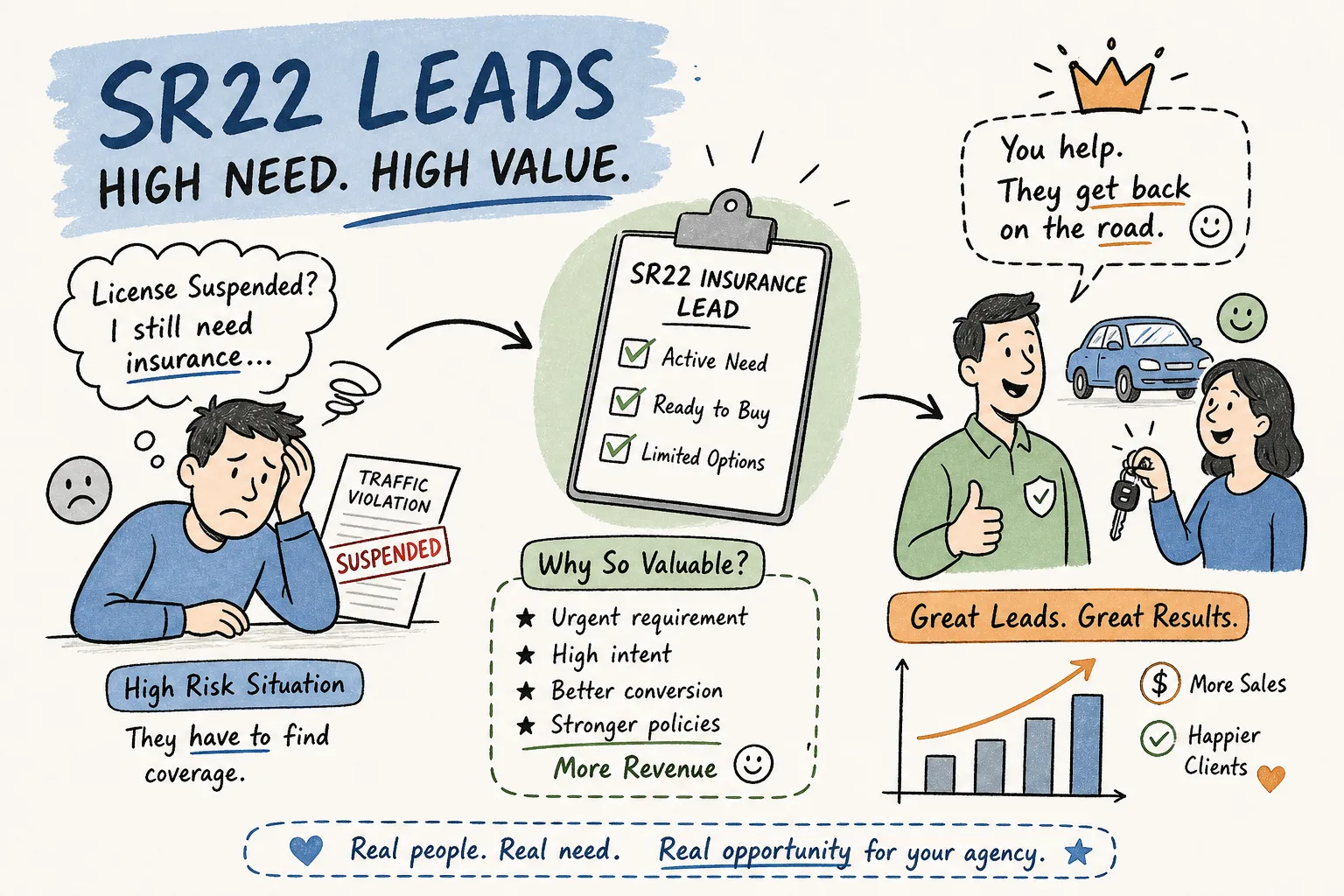
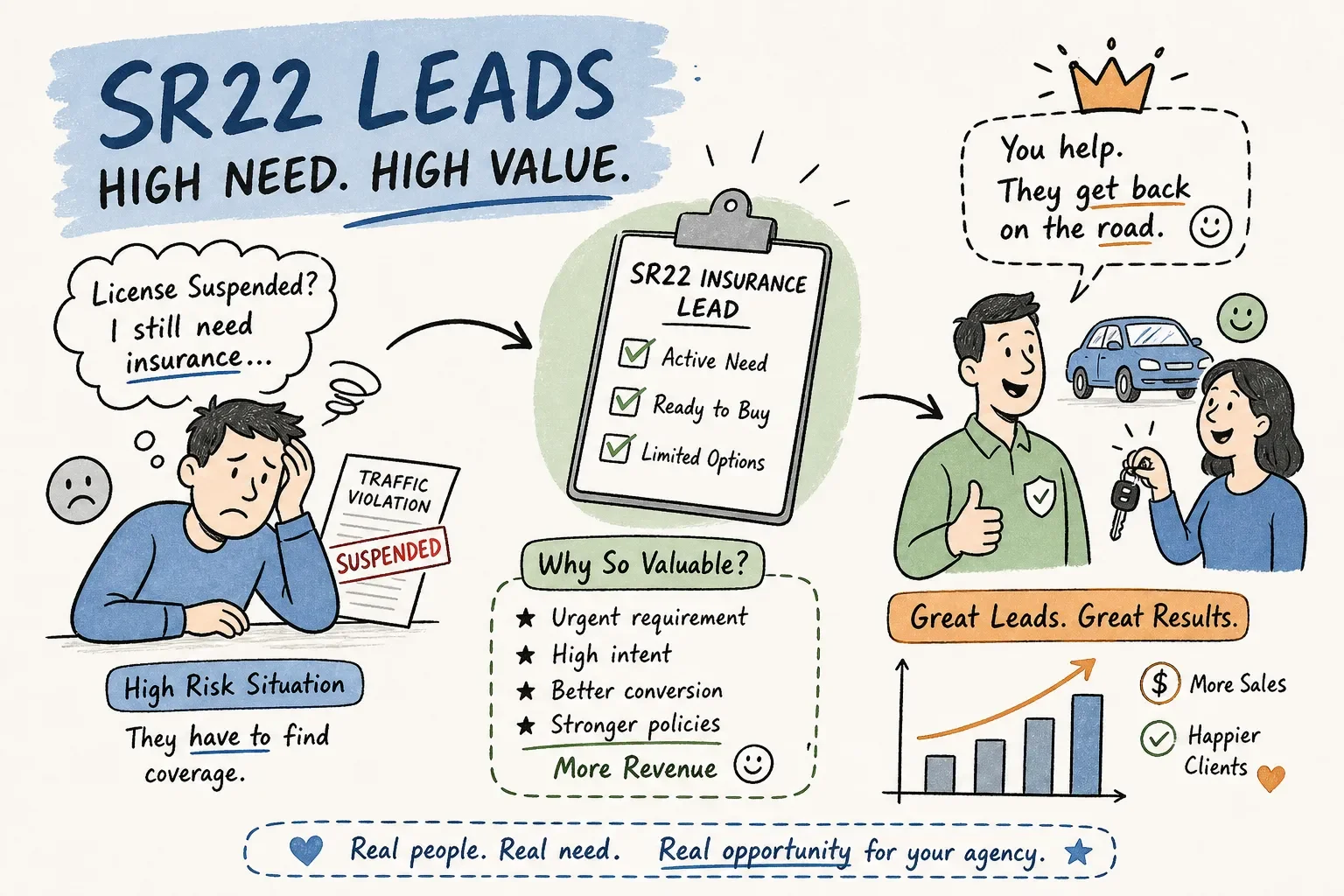
SR22 insurance leads are nothing like standard auto prospects. When a consumer enters this category, a court or the DMV has already told them they have no choice: get coverage filed or lose their driving privileges. That mandatory urgency changes the entire sales dynamic, and agents who understand it close at rates most auto insurance campaigns never reach. SR-22 insurance leads, the terms are used interchangeably across carriers and search engines, represent one of the highest-intent categories in personal lines insurance.
The built-in compliance deadline is what makes this segment so attractive. Prospects are not browsing out of curiosity or running a casual price comparison. They have a legal obligation, a hard deadline, and a real consequence for inaction. That is a level of purchase intent most lead categories cannot manufacture, no matter how good the targeting.
This article covers everything you need to work this segment profitably: what SR-22 leads actually are, why they convert differently than standard auto, where to source them, how to evaluate and price vendor options, and the contact strategies that close deals before your competition does. Lead quality and sourcing strategy matter more than raw volume here, and that distinction is worth understanding before you spend a dollar.
What SR-22 insurance leads actually are
The filing requirement behind the lead
SR-22 is not a type of insurance. It is a certificate of financial responsibility that a licensed insurer files directly with the state DMV on behalf of a driver who has been ordered to carry it. The filing confirms that the driver holds at least the minimum liability coverage required by that state.
The triggers vary but tend to cluster around serious driving events: DUI or DWI convictions, license suspensions, major moving violations, or being caught driving without insurance. Courts and the DMV set the requirement, not the driver, which means the driver has no ability to opt out or delay. In most states, drivers cannot have their licenses reinstated until an SR-22 is on file with the DMV or court, though exact rules vary by jurisdiction.
How this creates a distinct lead type
An SR-22 auto lead is a consumer record for someone who has been formally ordered to carry this filing, is actively searching for a carrier that handles high-risk policies, and needs coverage placed quickly. Unlike a standard auto shopper who can walk away from a quote and come back next week, this prospect has a legally enforced reason to act now. That changes the sales conversation from persuasion to logistics.
There is also a retention angle worth noting. Most states require the SR-22 filing to remain continuously active for one to five years, depending on the violation type. A single conversion is not a one-time transaction; it is a multi-year customer relationship with real lifetime value. Lapsing the policy mid-requirement restarts the clock and triggers additional penalties, so customers in this category stay motivated to keep coverage in force.
Why SR-22 prospects convert at a different rate
Mandate-driven urgency eliminates hesitation
Standard auto shoppers can think it over. SR-22 prospects cannot. Allowing the requirement to lapse or delaying coverage means continued license suspension, potential criminal penalties, and a harder path back to legal driving status. The urgency is external and court-enforced, not manufactured by a sales funnel.
That behavioral difference shows up directly in conversion data. Well-filtered exclusive SR-22 leads convert at 25, 35%, which is meaningfully higher than what most agents see from general auto lead pools. Speed-to-contact matters in this segment not because the prospect is impulsive, but because they have a real deadline and are calling multiple carriers simultaneously to find one that can file in their state.
The intent signal is already confirmed before the lead is generated
When a consumer searches for SR-22 coverage, they have already received a legal mandate. The intent is not aspirational or comparative; it is remedial and time-sensitive. They know they need to buy. The only question is which agent can actually handle the filing in their specific state.
That pre-verified intent separates SR-22 qualified prospects from cold traffic and browsed leads. The agent's job is not to create a need, it already exists. The job is to be the first credible option who can confirm eligibility, explain the process, and get the policy bound quickly.
Lead generation channels that reach SR-22 shoppers
Where SR-22 prospects are actually looking
Paid search is a high-performing digital channel for this segment because prospects go directly online after receiving a court order or DMV notice. The search behavior is specific and intentional: they are not browsing; they are looking for a solution to a problem they already understand. Intent-based display and affiliate campaigns targeting high-risk and non-standard auto audiences also surface this audience at scale, provided the campaign filters are set correctly for violation type, license status, and coverage lapse. Live transfers and warm inbound calls typically produce the highest documented conversion rates for SR-22 prospects, industry ranges of 25, 40% reflect the phone-first format advantage for this segment.
Direct mail can produce results in certain markets and geographies because DMV records trigger targeted mailing campaigns from carriers and agencies, confirm with your data provider whether this applies to your states. It is slower than digital but reaches prospects who are not actively online at the moment they receive the notice. For agents working specific geographic markets with high SR-22 volume, a direct mail layer can complement digital campaigns without duplicating the audience.
Why performance-based networks outperform generic lead marketplaces
Most SR-22 lead vendors operate within the broader auto insurance lead market. The problem is that without precise campaign filters, SR-22 shoppers get mixed into standard auto lead pools, reducing relevance for agents who specialize in high-risk placements and wasting budget on prospects who cannot be placed with the carriers the agent represents.
Performance-based networks take a different approach. Ray Advertising, for example, applies custom demographic and behavioral filters inside broader auto insurance campaigns to isolate SR-22-qualified prospects based on violation history, license status, current insurance status, and driver profile before a lead ever reaches an agent. That filtering layer is the difference between qualified exclusive SR-22 leads and commodity traffic that mixes intent levels indiscriminately.
Ray Advertising's model is results-driven: advertisers pay for qualified inbound calls or leads rather than impressions or clicks. Campaigns can be geo-targeted to the specific states where an agent holds a license, which matters significantly for SR-22 because filing requirements vary by state and agents cannot bind coverage outside their licensed jurisdictions.
Inbound calls vs. web leads for SR-22 insurance leads
SR-22 shoppers respond well to inbound call formats because they have specific questions: Can you file in my state? How fast? What will the DMV accept? A real-time inbound call answers all three immediately and removes the back-and-forth that delays web lead conversions. Industry-observed conversion rates for live transfers in this segment run in the 25, 40% range, reflecting the phone-first format advantage for time-sensitive prospects.
Web leads work well when paired with fast follow-up. Exclusive SR-22 web leads delivered within five minutes give agents the best realistic chance of being the first contact. Every additional hour of delay shrinks that window significantly.
How SR-22 lead pricing works and what you should pay
Cost benchmarks by lead format
Pricing in this segment breaks down by verification depth and exclusivity. Market benchmarks vary by vendor, state, and filter configuration, but general ranges give useful reference points:
- Broad non-standard auto shared leads typically run $3, $15 per lead nationally.
- Verified SR-22-specific shared leads with real qualification filters are generally in the $35, $65 range.
- Exclusive SR-22 leads from reputable providers with full violation context and license status verification typically run $65, $120 depending on the state and filter configuration.
The premium on exclusive leads is justified by one factor: you are not racing three to five other agents to the same phone number. For SR-22 prospects who have a deadline, being first matters more than being cheapest. Many buyers report that the CPL differential for exclusive leads is recovered through higher conversion rates compared to shared lead pools, though results will vary based on your market and carrier lineup.
How qualification filters affect both price and conversion
Better filters raise CPL and raise conversion simultaneously. Reputable SR-22 lead providers segment by DUI versus non-DUI violation, current license status (suspended, revoked, or reinstated), driver age, vehicle status, and whether coverage has lapsed. These filters narrow volume but improve the match between what the agent can place and what the prospect actually needs.
A lead verified for active SR-22 obligation, complete violation context, and current license status should convert more cleanly than a broad high-risk auto lead with no filing confirmation. The difference is not just conversion rate; it is the time agents spend quoting prospects who cannot actually be placed with the carriers available to them.
How to evaluate SR-22 insurance leads before buying
Questions to ask before committing to a vendor
The most important question is whether the vendor verifies SR-22 need specifically or is selling general high-risk auto leads with no confirmation of an actual filing requirement. These are not the same product. A prospect who had a speeding ticket is not the same as a prospect who received a DMV order to file an SR-22 certificate.
Beyond that, ask the following before committing:
- Are leads exclusive or shared, and if shared, how many buyers receive the same record?
- What consent documentation does the vendor provide, and is TCPA-compliant consent confirmed at the point of collection?
- What is the return or credit policy for invalid, duplicate, or misrepresented leads?
- Does the vendor offer real-time delivery and CRM integration, or are leads batched and delivered on delay?
Red flags that signal a low-quality source
Vendors who cannot explain how they verified the SR-22 filing requirement are selling general auto leads, not SR-22-specific prospects. That distinction matters when you are building a pipeline around high-risk placements. If they cannot tell you what question on the intake form confirms the DMV or court mandate, the answer is that no such question exists.
Extremely low CPL claims without a clear filter methodology almost always mean high volume and low conversion. Verified, filtered SR-22 exclusive leads do not cost $5, $10. No real-time delivery, no geo-targeting capability, and no CRM integration are also signs the vendor is reselling aged data rather than generating fresh, intent-driven traffic.
Contact strategies that close more SR-22 prospects
Speed-to-contact and multi-touch cadence
Call within minutes of receiving the lead. SR-22 prospects are shopping multiple carriers at the same time because their urgency is real, and the first agent who can confirm SR-22 filing capability in their state controls the conversation. Waiting hours to call is the single fastest way to lose this segment to a competitor.
A proven cadence for this segment:
- Day 1, 2: Call immediately after lead delivery.
- Day 3, 5: Send a short email with filing details and quote options.
- Day 7, 14: Follow up with a second call at a different time of day.
Most conversions happen within the first week of lead delivery, when the prospect's urgency is highest.
What to say in the first 60 seconds
Lead with a direct confirmation that you can file SR-22 in their state. Most prospects have already been told by their current carrier that SR-22 filings are not something they handle, so confirming capability immediately separates you from agents who cannot help. That single statement earns the next two minutes of the conversation.
After confirming eligibility, collect the information needed to quote accurately: violation or DUI date, driving record summary, vehicle details, and the date on the DMV notice. Framing this as a short checklist sets a professional tone and moves the call from a sales pitch to a problem-solving conversation, which is where SR-22 prospects want to be.
Handling the price objection on high-risk policies
SR-22 coverage costs more than standard auto by design. Agents who acknowledge this upfront and immediately pivot to the minimum compliant coverage option that meets the state filing requirement will retain more prospects than those who defend the rate. The prospect already knows their premium is going up; what they need is someone who can minimize how much.
The SR-22 prospect's primary goal is legal reinstatement, not optimal coverage. Offer to adjust coverage tiers to find the lowest-cost qualifying policy that still satisfies the DMV requirement. That reframe turns a price objection into a practical problem you can solve together, which is the close.
Build a pipeline that performs consistently
SR22 insurance leads carry a level of built-in urgency that no standard auto lead can match, because the purchase is court- or DMV-mandated. That urgency translates directly into conversion rate when agents source leads correctly and contact them fast. The four controllable variables are lead exclusivity, verification depth, vendor filter quality, and speed-to-contact.
For agents who want a consistent pipeline of verified SR-22-qualified prospects without managing media buying themselves, performance-based networks like Ray Advertising offer filtered, geo-targeted inbound traffic matched to agency capacity and licensing footprint. The model is built around paying for results rather than reach, verify specific pricing, timelines, and campaign structure directly with the provider to confirm the fit for your market.
If you are ready to see how filtered performance marketing compares to standard lead purchases in your state, explore SR22 insurance lead campaigns with Ray Advertising and request a campaign analysis to see what exclusive, verified inbound traffic can do for your close rate.
Recent Post

How to Scale Lead Generation Without Losing Qualit...
August 17, 2026
Improve Lead Generation Quality Without Losing Vol...
August 16, 2026
Reduce Cost Per Acquisition: 12 Tactics That Work...
August 14, 2026
Reduce Cost Per Acquisition: 12 Tactics That Work...
August 13, 2026
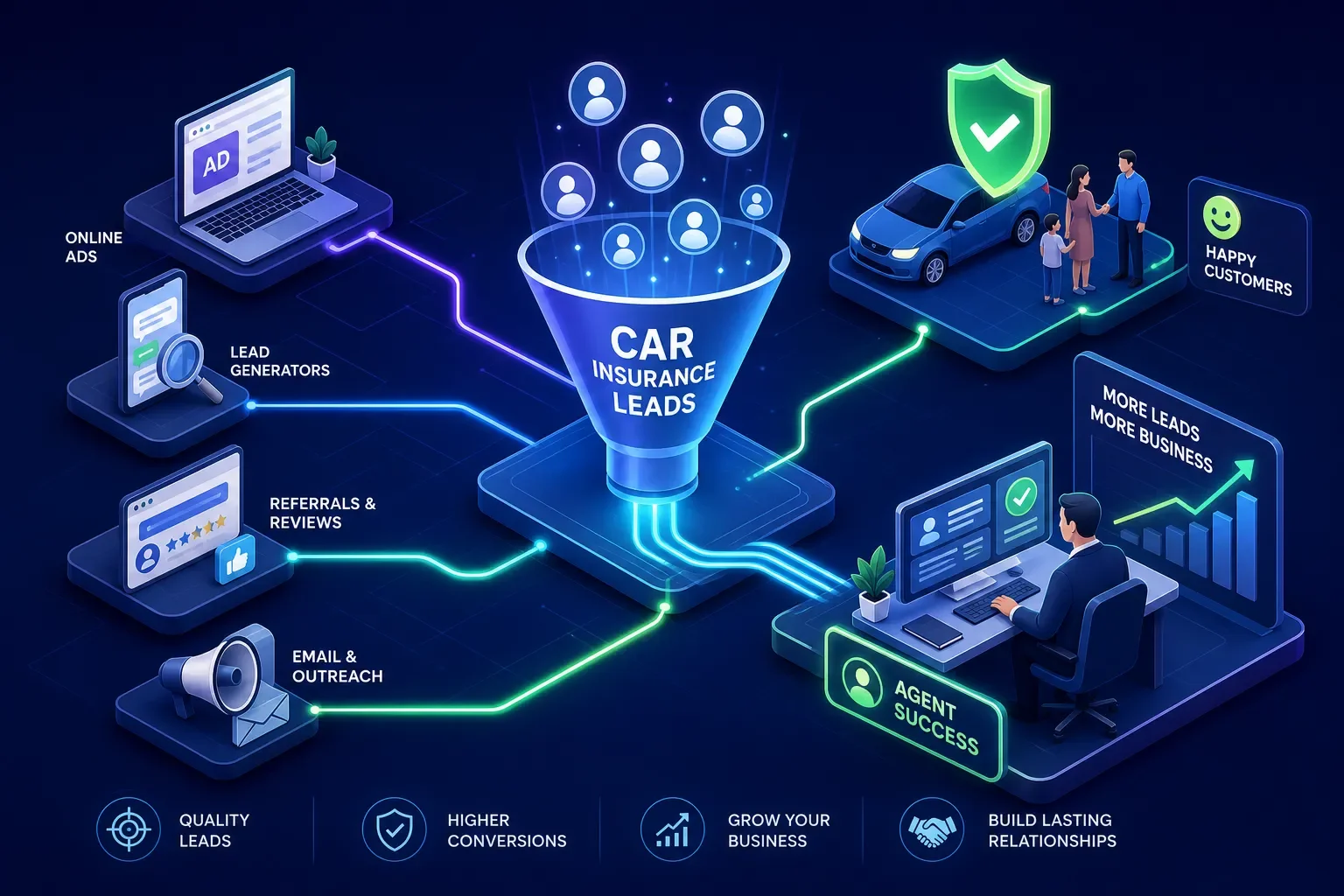
Car Insurance Leads for Agents: Best Sources and S...
August 12, 2026
What Are SR22 Insurance Leads and Why Are They So ...
August 11, 2026
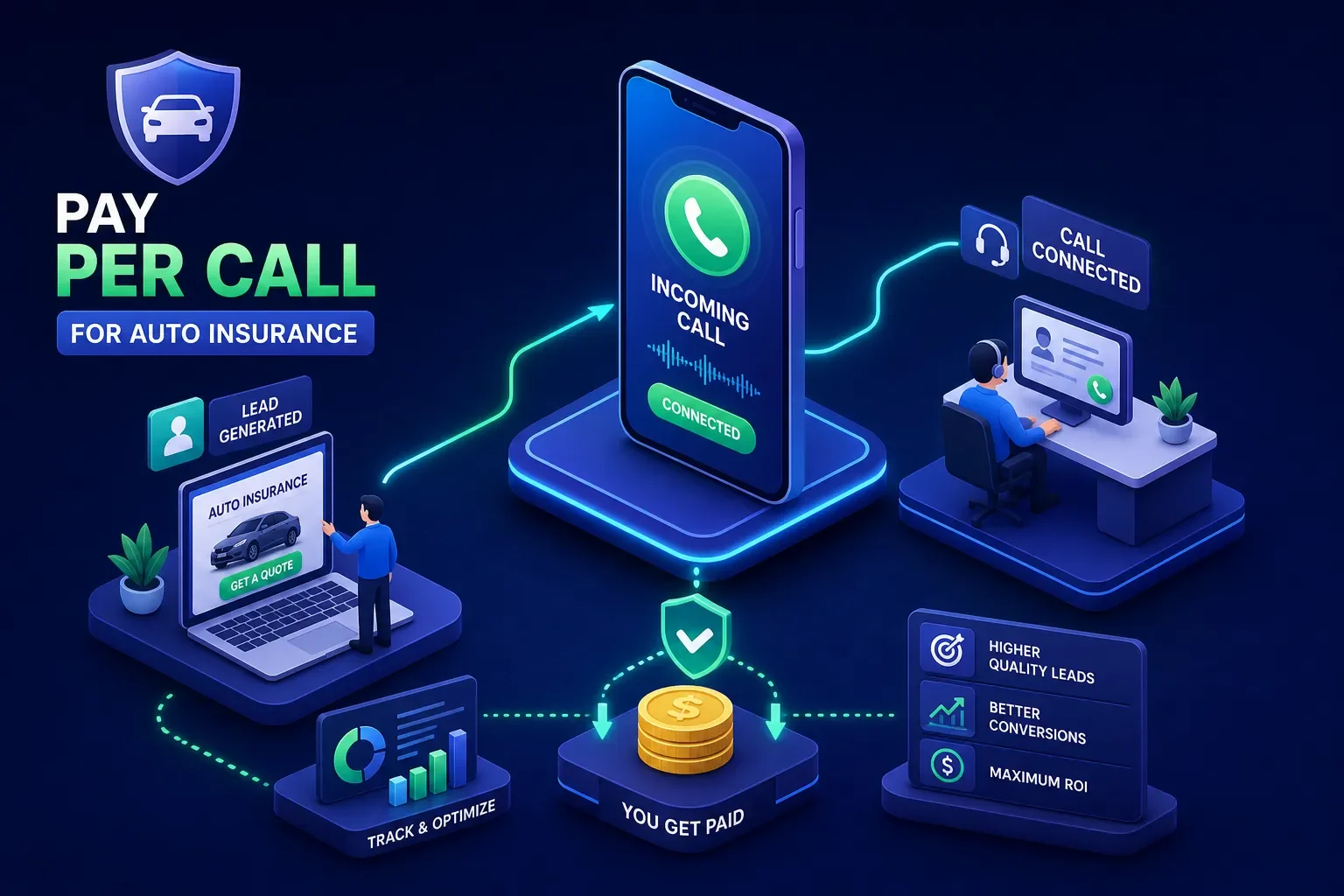
Auto Insurance Pay Per Call: How It Works and Why ...
August 10, 2026
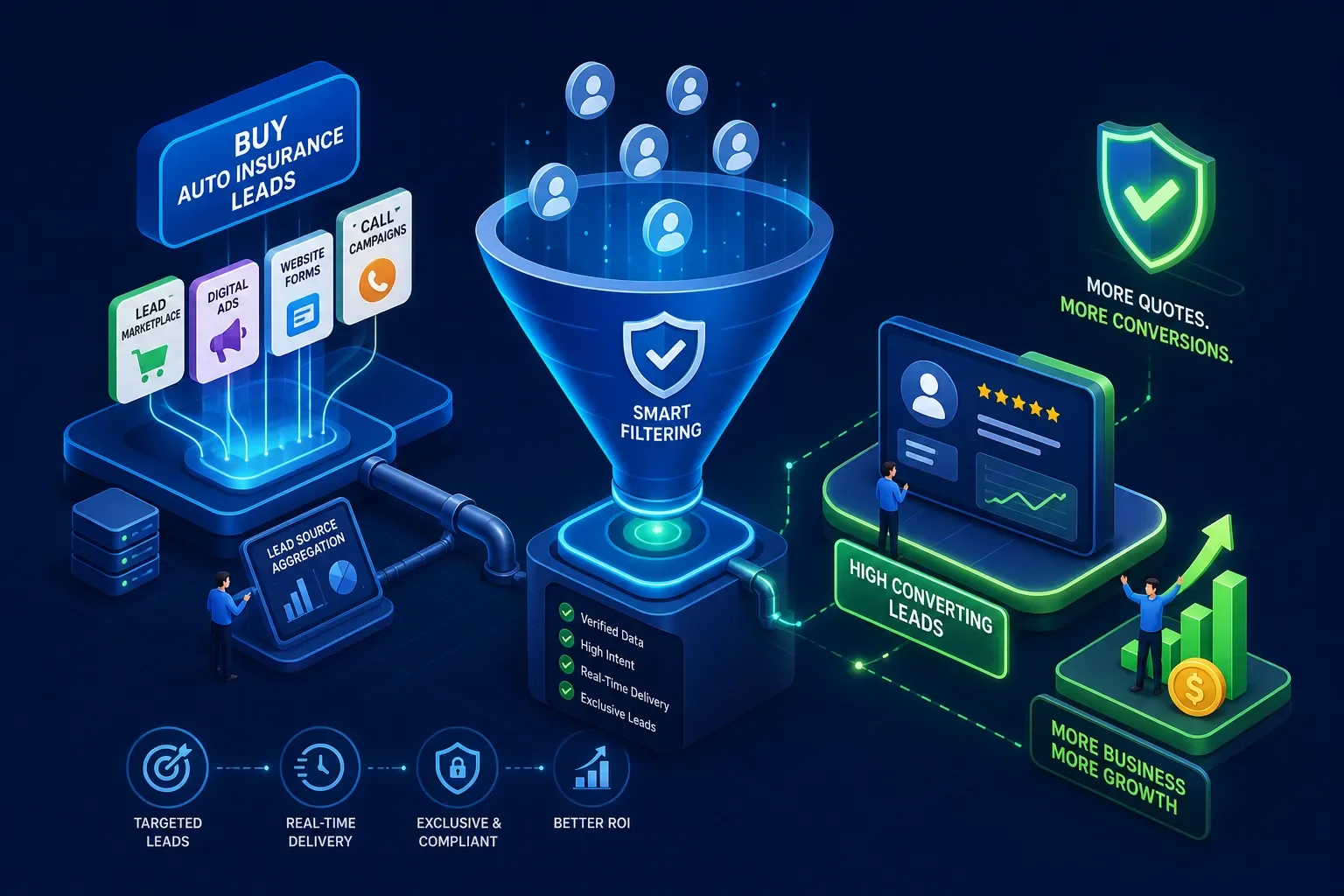
How to Buy Auto Insurance Leads That Actually Conv...
August 9, 2026
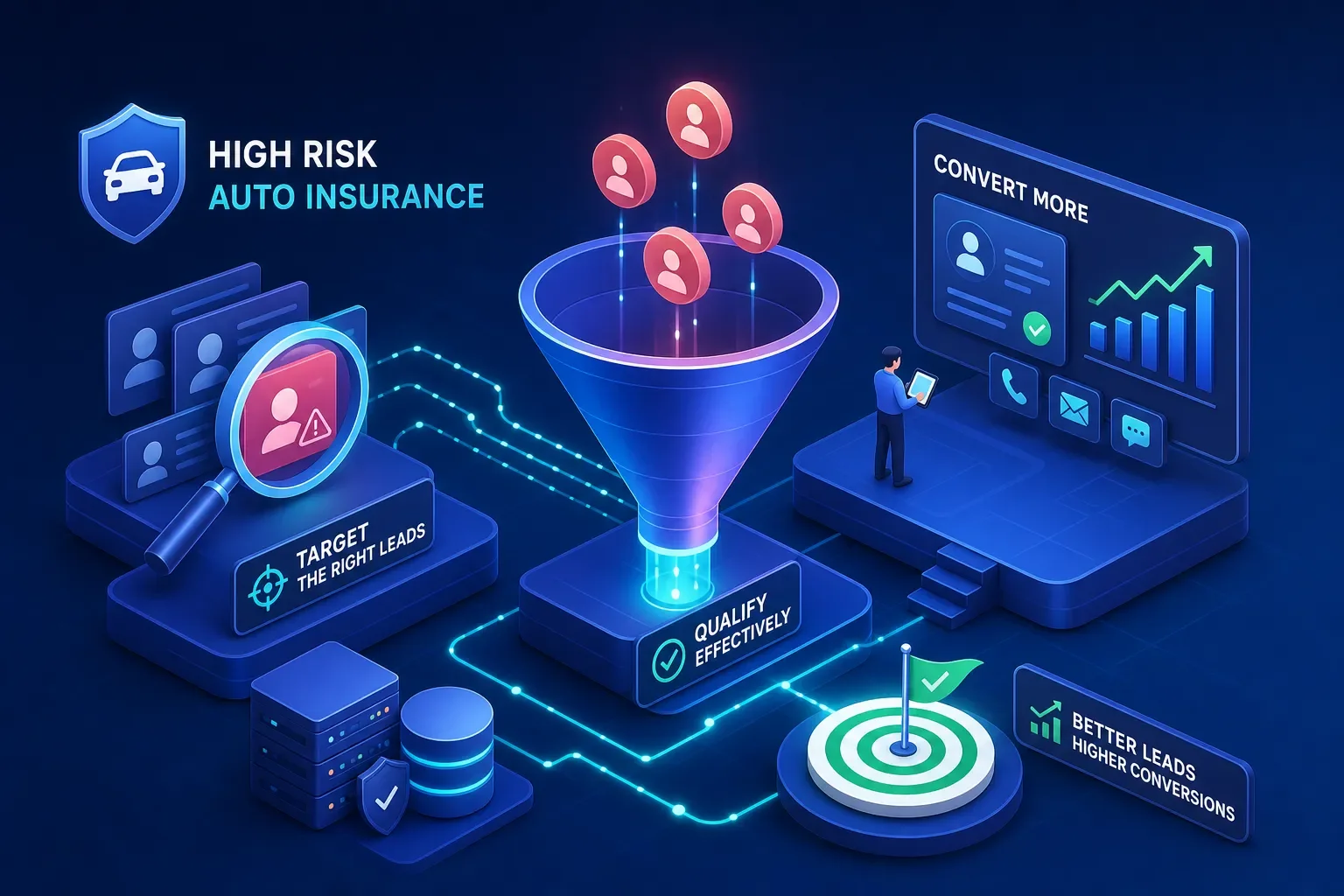
High Risk Auto Insurance Leads: How to Target and ...
August 8, 2026
Related resources
Explore the most relevant pages based on this article.
- Contact Ray Advertising — Ask about pricing, compliance, and launch timelines.
- Lead Generation — High-intent leads with delivery and quality controls.
- Pay Per Call — Qualified inbound calls with tracking and routing.
- Media Buying — Performance media with optimization and attribution.
- Affiliate Network — Vetted publishers and fraud protection.

FAQs
Quick answers related to this article.
We support lead generation, pay per call marketing, media buying, and affiliate network programs.
We use source attribution, quality metrics, and conversion reporting to optimize and scale profitable traffic.
Contact our team or sign up as an advertiser or publisher to begin onboarding.

