


Improve Lead Generation Quality Without Losing Volume
By Ray Advertising · Published August 16, 2026
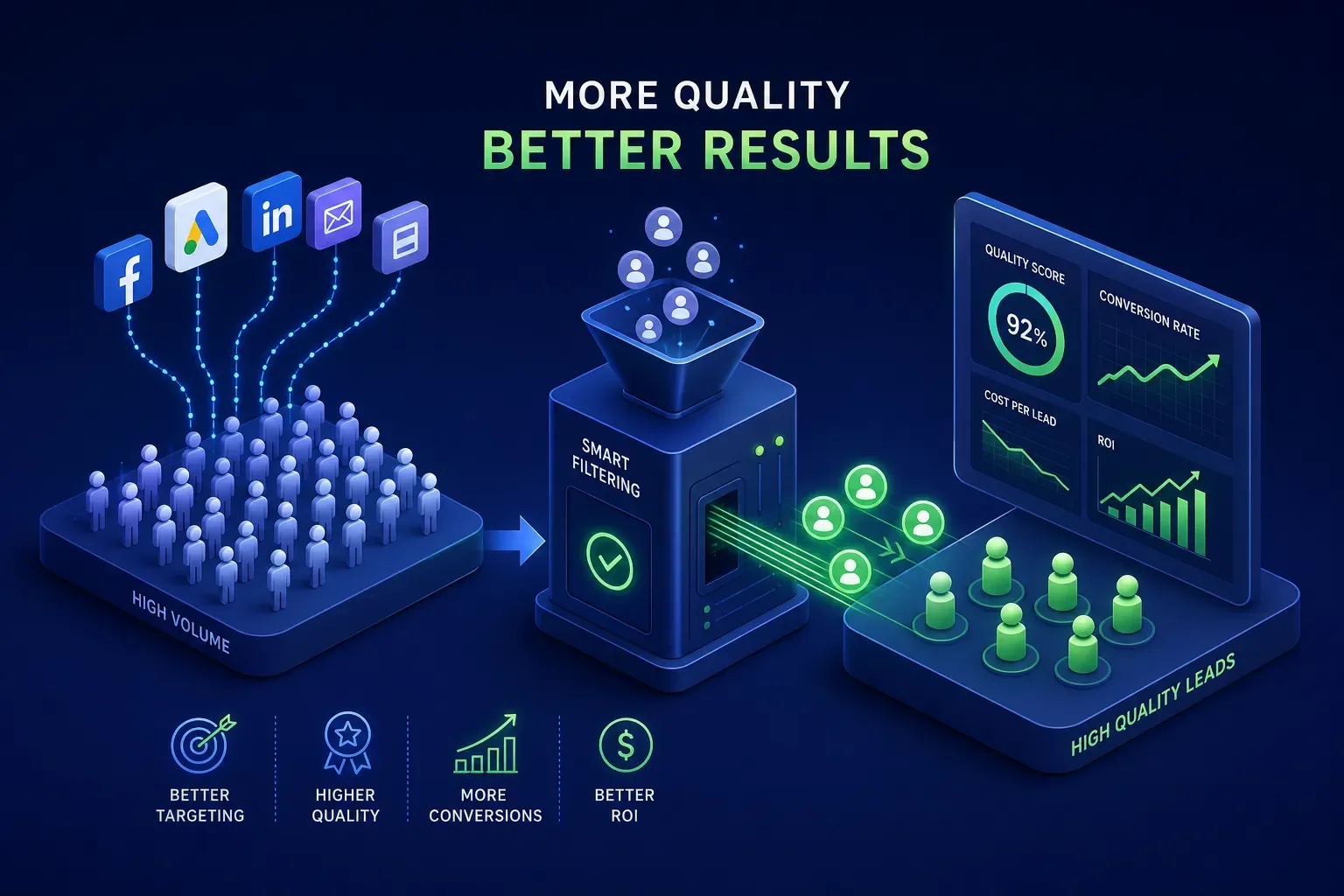
Improve Lead Generation Quality Without Losing Volume
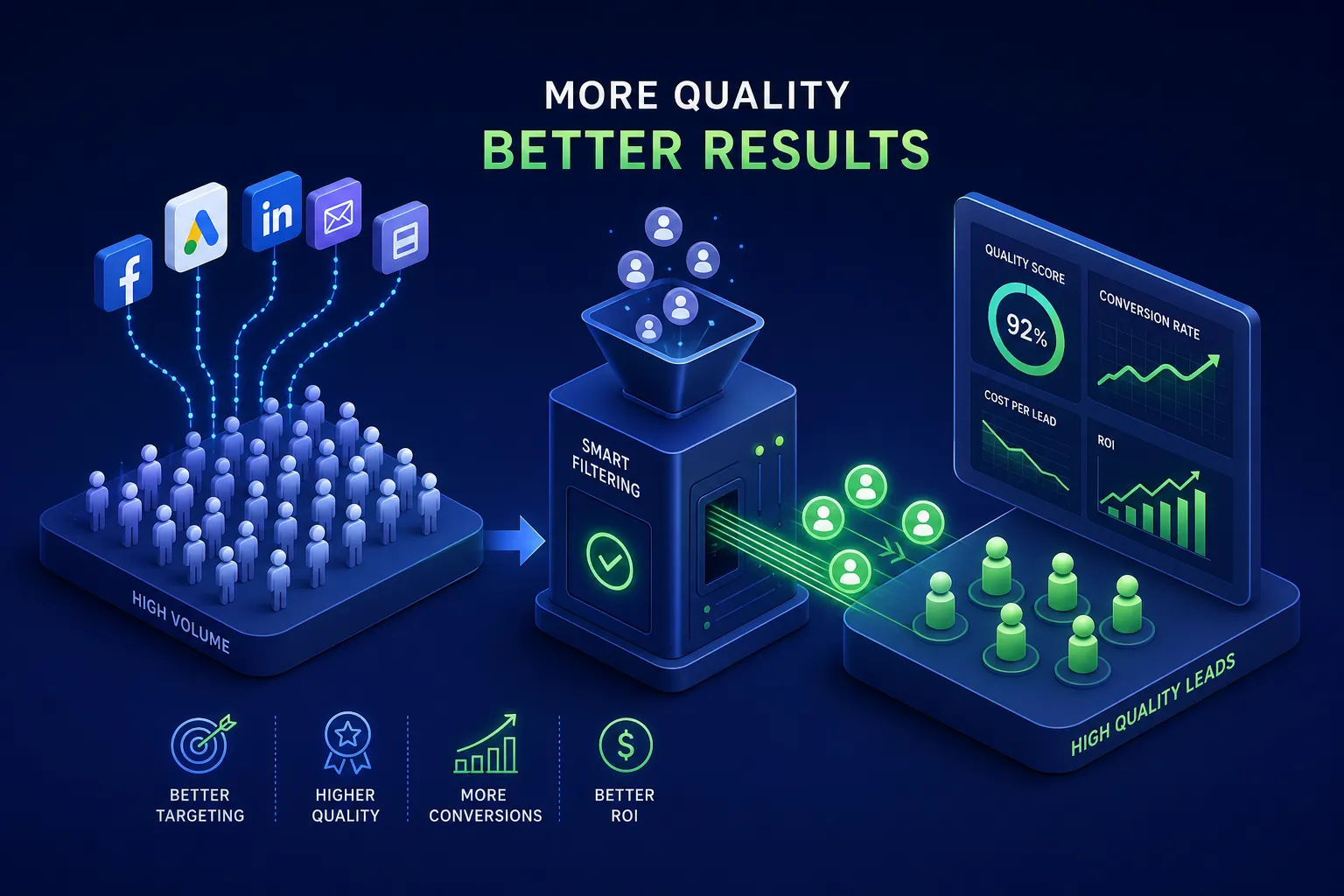
Many teams measure success by how many leads came in this month, and that's where lead generation quality starts to break down. The dashboards look great, the CPL is holding steady, and volume is up. But the sales team is ignoring half the pipeline, cost per acquisition keeps trending higher, and the conversion rate quietly signals that something is off. The leads aren't bad because of how you're filtering them at the bottom of the funnel. They're bad because of how you're sourcing them at the top.
The shift from volume-first to quality-first thinking is what separates campaigns that scale profitably from ones that plateau. When lead generation quality improves, MQL-to-SQL rates climb, sales cycles shorten, and CPA drops, without requiring you to slash lead volume. That's the counterintuitive truth: better leads, even fewer of them, often produce more revenue than a flood of mismatched prospects. At Ray Advertising, this reorientation is the first thing we address with new advertiser partners, and it's consistently where the biggest downstream gains show up.
This article walks through how to define what a quality lead actually means for your business, build a scoring framework that reflects real conversion data, optimize your channels for fit over fill, and track the KPIs that connect lead generation activity to revenue.
What lead generation quality actually means for your business
A quality lead is not a universal concept. It depends entirely on your business model, sales motion, and what your downstream conversion data says about who actually becomes a customer. A high-quality lead for a Medicare Advantage plan looks nothing like one for a home security company, which is why generic volume benchmarks are useless without context. Before you can improve lead generation quality, you need a clear, data-grounded definition of it.
Why chasing volume inflates your CPA over time
Filling a funnel with mismatched prospects raises cost per acquisition even when the cost per lead stays flat. A low CPL from a broad keyword or a high-traffic affiliate source means nothing if only 3% of those leads convert into customers. Industry benchmarks suggest healthy B2B funnels convert between 13% and 21% of MQLs to SQLs depending on the sector; drop below 10% and volume becomes a liability rather than an asset. The math is straightforward: more low-fit leads in the pipeline means more sales hours wasted, more follow-up that goes nowhere, and a CPA that climbs quarter over quarter despite flat or declining CPL.
Defining quality through conversion fit, not form fills
A practical quality definition has two components: fit and intent. Fit tells you whether the lead matches your ideal customer profile on demographic or firmographic criteria, age range, homeownership status, coverage need, job title, company size, or geography. Intent tells you whether they took a high-intent action, not just downloaded a piece of content to avoid a paywall. A composite lead quality score that weights both fit and intent gives you a far more reliable signal than a raw form submission count. That score becomes the foundation for everything downstream: MQL definitions, sales routing, channel optimization, and bid strategy.
Building a lead scoring framework that filters for conversion fit
Lead scoring creates a shared language between marketing and sales. Without it, "qualified" means something different to every person on the team, pipeline reporting becomes unreliable, and budget decisions get made on top-of-funnel metrics that have little connection to revenue. A scoring model resolves that by translating lead attributes and behaviors into a single number both teams agree on, and act on.
Demographic, firmographic, and behavioral criteria to score
Scoring inputs fall into two categories. Fit criteria include job title, seniority, industry, company size, geography, and, for B2C or insurance verticals, demographic attributes like age range, coverage status, or homeownership. These tell you whether the lead belongs in your funnel at all. Behavioral criteria include pricing page visits, demo requests, email engagement, repeat site visits, and gated content downloads. These tell you whether the lead is actively in a buying cycle right now. Fit tells you who they are; behavior tells you when they're ready. Leads that score high on both dimensions are the ones that close.
Setting MQL and SQL thresholds that sales will actually respect
Scoring thresholds should come from real conversion data, not arbitrary point values. Pull your closed-won customers from the CRM and work backward: what was the average lead score for deals that closed versus deals that stalled? For example, if leads scoring above 60 close at four times the rate of those scoring below 30 in your own CRM data, that gap becomes a rational starting point for your MQL cutoff. The sales team needs to be part of calibrating those thresholds. If "marketing-qualified" doesn't match their experience of what a good lead looks like, the handoff breaks down and the scoring model loses credibility.
When to use predictive scoring instead of rule-based models
Rule-based models work well when you're starting out and don't have enough conversion history to train an algorithm. As volume grows, predictive scoring uses machine learning on historical CRM data to surface patterns that rule-based models miss entirely. Tools like Salesforce Einstein and HubSpot's predictive lead scoring are commonly used entry points for teams with a few hundred to a few thousand converted leads in their CRM, though optimal data volume requirements vary by vendor. The model should be re-validated every quarter against actual SQL and closed-won rates to confirm it's still predicting quality accurately.
Channel tactics to improve lead generation quality and reduce CPA
Lead generation quality is largely a function of where and how you acquire leads, not just how you filter them after the fact. Better signals at the top of the funnel mean less waste at the bottom, which means channel decisions are, at their core, quality decisions. The subsections below break down the highest-leverage adjustments by channel type.
Paid search: optimizing bids for downstream quality signals
The shift that improves lead quality in paid search is moving from optimizing for form submissions to optimizing for MQLs, SQLs, or closed deals. When you import offline conversion events back into Google Ads and set Smart Bidding to train on qualified outcomes rather than raw clicks, CPA drops because the algorithm learns which keywords, audiences, and placements actually produce revenue. Two quick quality filters that don't require a full bidding overhaul: exclude Search Partners, and tighten keyword match types to phrase or exact match. Both approaches reduce irrelevant traffic without significantly cutting reach on the terms that matter, a widely applied heuristic among performance search practitioners.
Affiliate and call-based channels: quality filtering at the source
Many affiliate networks operate on shared, re-sold lead models. That structure dilutes conversion rates and drives up effective CPA even when the nominal CPL looks attractive. Pay-per-call campaigns are structurally different: a prospect on the phone actively seeking coverage or a service appointment represents a far stronger intent signal than a passive form submission. The economics reflect this. In insurance specifically, inbound calls are commonly observed to convert at 15% to 30%, while shared web leads frequently fall to 2% to 8%, a gap that changes the CPA math entirely, even when the cost per call is higher than the cost per form fill.
Source-level quality control is where the biggest gains happen. Ray Advertising builds quality filtering directly into the supply chain, including call quality monitoring, real-time call routing, fraud detection across a vetted publisher network, and exclusive leads that are never resold to a competing advertiser. For insurance and home services advertisers, that structural model addresses the core limitation of shared-lead affiliate sources. Paying more per call or lead at the front end and achieving a materially lower CPA at the back end is the quality trade-off that makes performance-based sourcing worth it.
Email and organic: qualifying intent before the click
For inbound channels, the lead qualification work happens before a lead ever reaches the CRM. Landing page copy that clearly states who the offer is for, gated content framing that attracts decision-makers rather than researchers, and a single qualifying question on the form, budget, timeline, coverage type, company size, all reduce raw volume while improving the ratio of leads that actually convert. Adding one qualifying field to a high-traffic form is often the fastest quality improvement available to an inbound team, with no change to ad spend required.
Lead generation quality KPIs and metrics that matter across the funnel
Standard marketing dashboards, impressions, clicks, CPL, tell you almost nothing about lead quality. The metrics that matter connect lead generation activity to what happens downstream in the sales process and in revenue.
The core lead quality KPI stack
Four metrics form the foundation of any lead quality measurement system:
- MQL-to-SQL conversion rate: Healthy B2B benchmarks sit around 13% to 21%, depending on industry. Below 10% signals a lead qualification problem worth diagnosing at the source level.
- SQL-to-customer conversion rate: 20% to 30% is strong in B2B; materially below that range typically points to a sales process or lead fit issue.
- Overall lead-to-customer conversion: 10% to 15% is a solid target; below 5% is a warning sign that sourcing or scoring needs adjustment.
- Lead velocity rate (LVR): 15% or more month-over-month growth in qualified leads signals strong pipeline momentum, particularly in B2B SaaS environments.
The metric that ties all of them together is cost per qualified lead (CPQL), not raw CPL. CPQL is the true efficiency metric because it accounts for the conversion rate between a lead and a qualified opportunity, not just the cost of acquiring a contact record.
Tools and integrations to automate lead quality measurement
The right tool depends on team size and complexity. HubSpot CRM and Marketing Hub handle scoring, pipeline reporting, and offline conversion integration in one system, making them a practical starting point for small-to-mid-sized teams. Salesforce Sales Cloud with Einstein is the better fit for enterprise teams that need custom routing logic, advanced analytics, and deep integration with marketing automation platforms like Marketo Engage. The principle is consistent across all of them: scoring inputs live as CRM properties, routing and reporting pull from those properties, and the stack feeds outcome data back to ad platforms to close the attribution loop.
How to cut CPA and scale lead quality at the same time
Quality and volume are not opposites. They become misaligned when acquisition channels aren't built for performance accountability. When your scoring model, channel targeting, bid strategy, and lead sourcing all point toward qualified outcomes, CPA drops and volume can still scale, because you're spending more efficiently on the leads that actually convert.
The case for partnering with performance-based lead sources
Performance-based acquisition models align supplier incentives with advertiser quality requirements. Advertisers pay only for qualified leads or inbound calls, which means the partner has no incentive to fill a pipeline with traffic that won't convert. This is the structural opposite of buying bulk traffic from an aggregator and hoping the conversion math works out. When a partner's revenue depends on delivering calls and leads that pass quality thresholds, lead nurturing and lead generation quality become shared operational priorities rather than advertiser-side filtering problems. That alignment is the core reason Ray Advertising structures its programs around performance accountability for insurance carriers, home services companies, and Medicare plan providers.
Building a CPA reduction roadmap you can act on this quarter
Start with an audit of MQL-to-SQL rates by source. Identify the one or two channels with the lowest downstream conversion rates and tighten the targeting on those channels first, or replace them with a performance-based model where you pay for qualified outcomes rather than raw volume. Set up offline conversion tracking to retrain your bidding algorithms on quality signals rather than form fills. Establish a 30-day review cycle to compare CPQL before and after each change, though optimal review frequency will vary based on your lead volume and conversion lag. Small, measurable adjustments compound faster than a full-stack overhaul, and they give you the data to justify the next move.
Lead generation quality is a sourcing decision, not a filtering problem
The advertisers consistently hitting strong MQL-to-SQL rates and lower cost per acquisition are not the ones filtering harder at the bottom of the funnel. They're the ones who made lead generation quality a structural decision at the top, in how they source leads, which channels they invest in, how they score and route prospects, and which KPIs they hold campaigns accountable to.
When your acquisition channels are built for performance accountability, your scoring model reflects real conversion data, and your reporting measures what happens downstream rather than what hits the top of the funnel, CPA naturally decreases. You don't have to choose between quality and volume. You have to choose acquisition partners and channel strategies that treat quality as a requirement, not an afterthought.
If your current lead flow isn't converting at the rates your business needs, the answer is rarely to buy more leads. It's to source better ones. Improving lead generation quality starts with the right sourcing model, the right scoring framework, and the right performance accountability structure. Talk to our team at Ray Advertising about what a quality-first lead generation strategy looks like for your vertical.
Recent Post
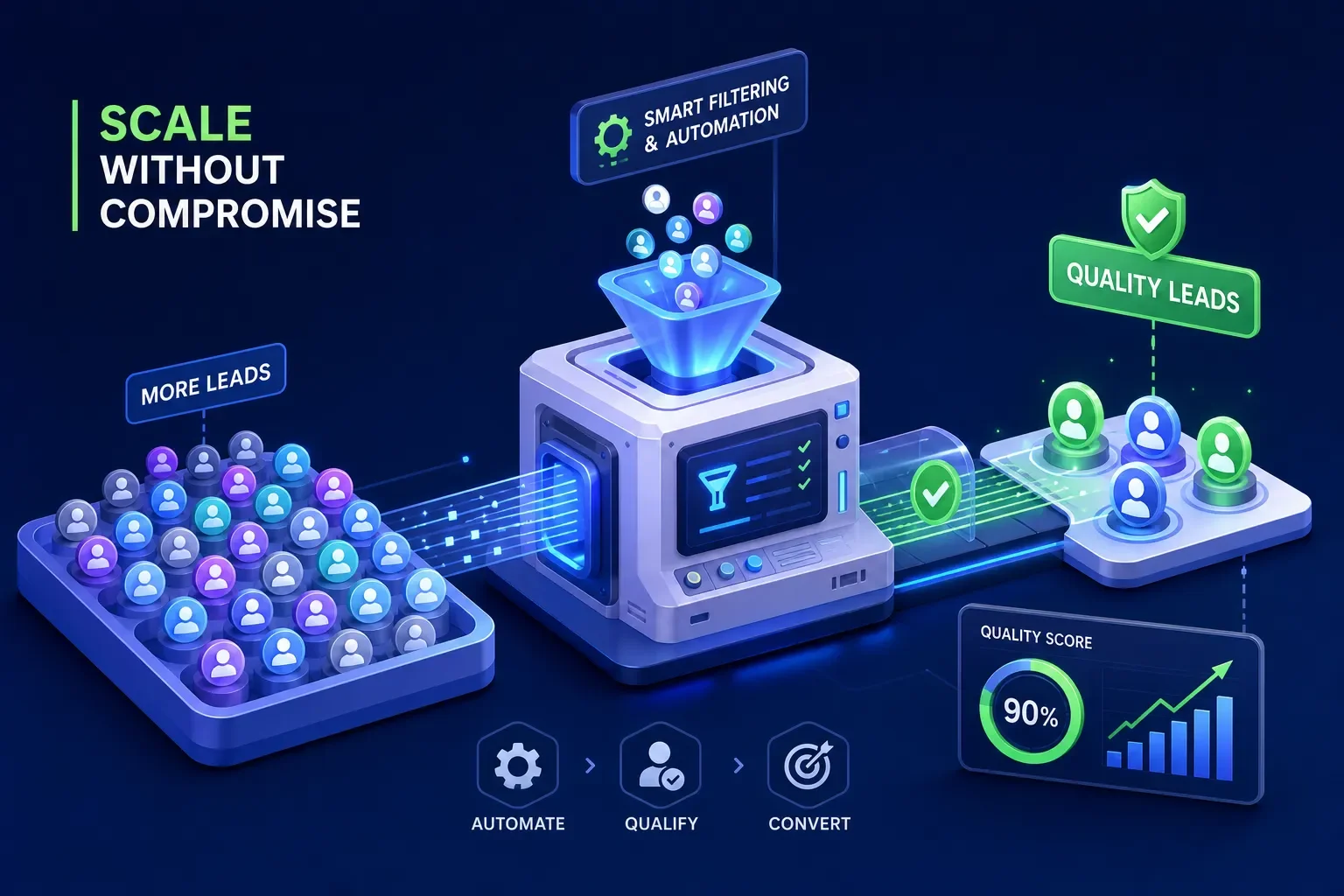
How to Scale Lead Generation Without Losing Qualit...
August 17, 2026
Improve Lead Generation Quality Without Losing Vol...
August 16, 2026
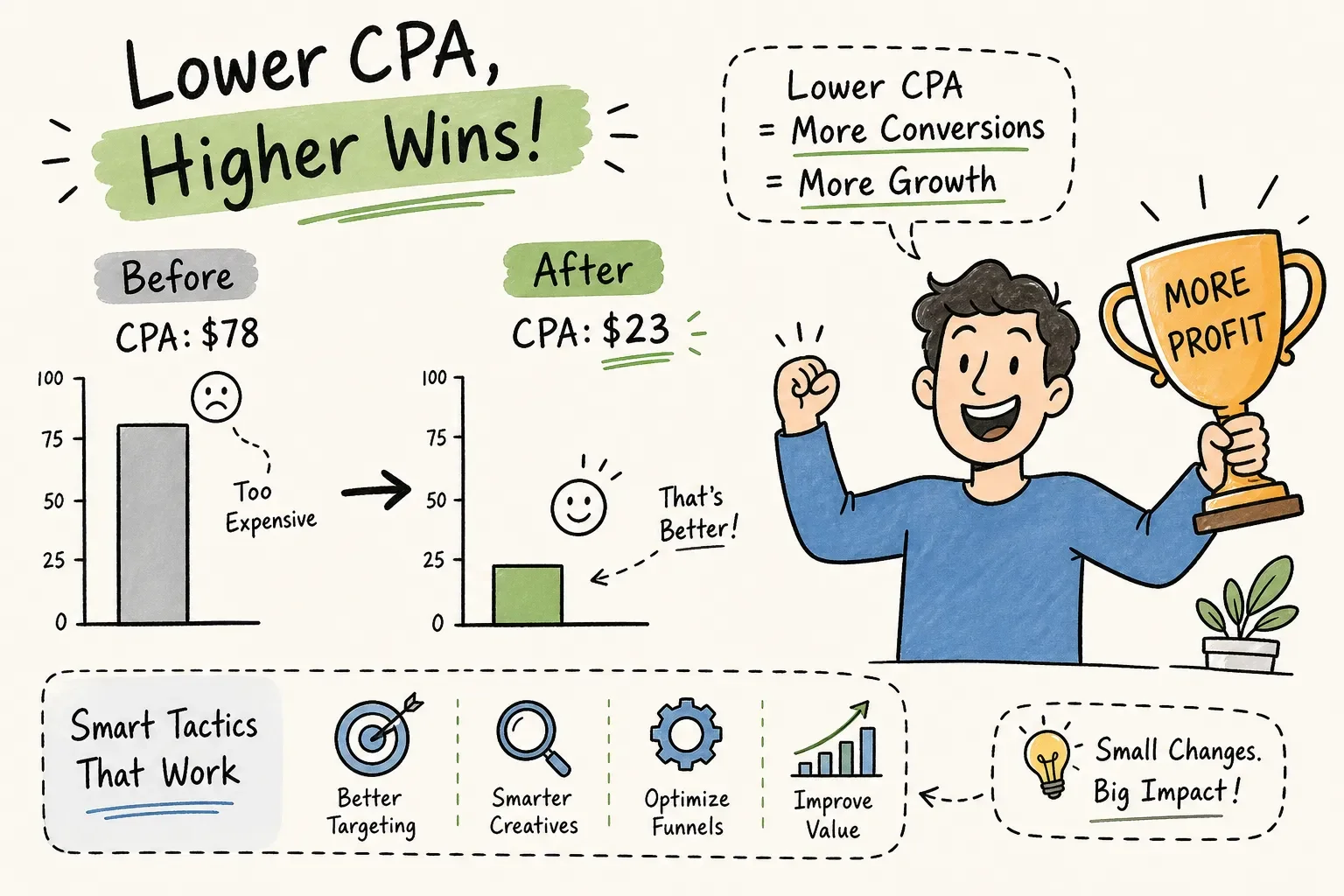
Reduce Cost Per Acquisition: 12 Tactics That Work...
August 14, 2026
Reduce Cost Per Acquisition: 12 Tactics That Work...
August 13, 2026
Car Insurance Leads for Agents: Best Sources and S...
August 12, 2026
What Are SR22 Insurance Leads and Why Are They So ...
August 11, 2026

Auto Insurance Pay Per Call: How It Works and Why ...
August 10, 2026
How to Buy Auto Insurance Leads That Actually Conv...
August 9, 2026
High Risk Auto Insurance Leads: How to Target and ...
August 8, 2026
Related resources
Explore the most relevant pages based on this article.
- Contact Ray Advertising — Ask about pricing, compliance, and launch timelines.
- Lead Generation — High-intent leads with delivery and quality controls.
- Pay Per Call — Qualified inbound calls with tracking and routing.
- Media Buying — Performance media with optimization and attribution.
- Affiliate Network — Vetted publishers and fraud protection.

FAQs
Quick answers related to this article.
We support lead generation, pay per call marketing, media buying, and affiliate network programs.
We use source attribution, quality metrics, and conversion reporting to optimize and scale profitable traffic.
Contact our team or sign up as an advertiser or publisher to begin onboarding.

